Cinematic Wedding Photographer Montreal
Every frame in a great film is a decision. A cinematic photographer spends their career learning to make those decisions precsiely. You're moved before you understand why.
The result is a gallery that looks like stills from a film: images with atmosphere, intention, and a quality that separates them immediately from a photograph that simply records what was in front of the camera.
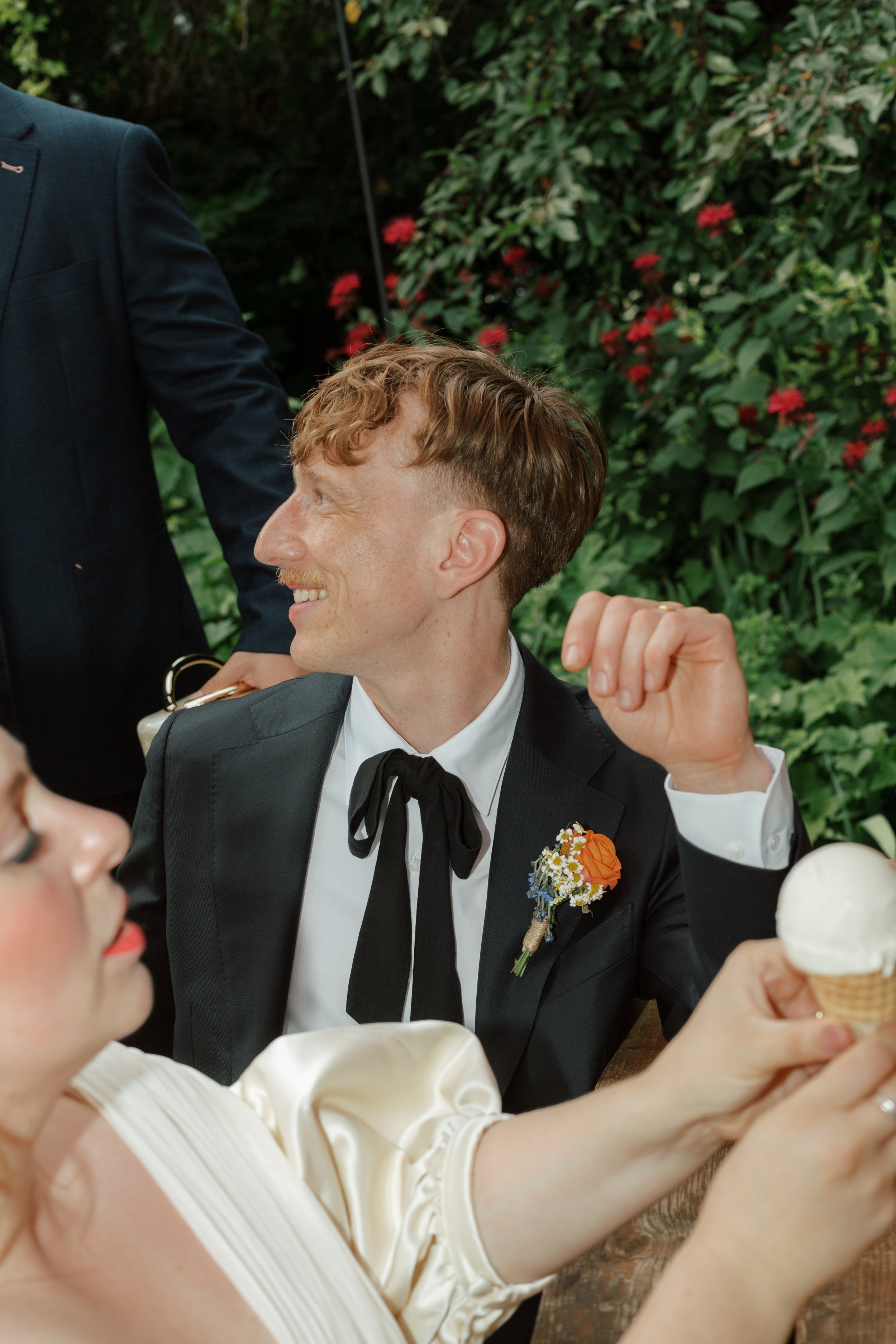
What Cinematic Means
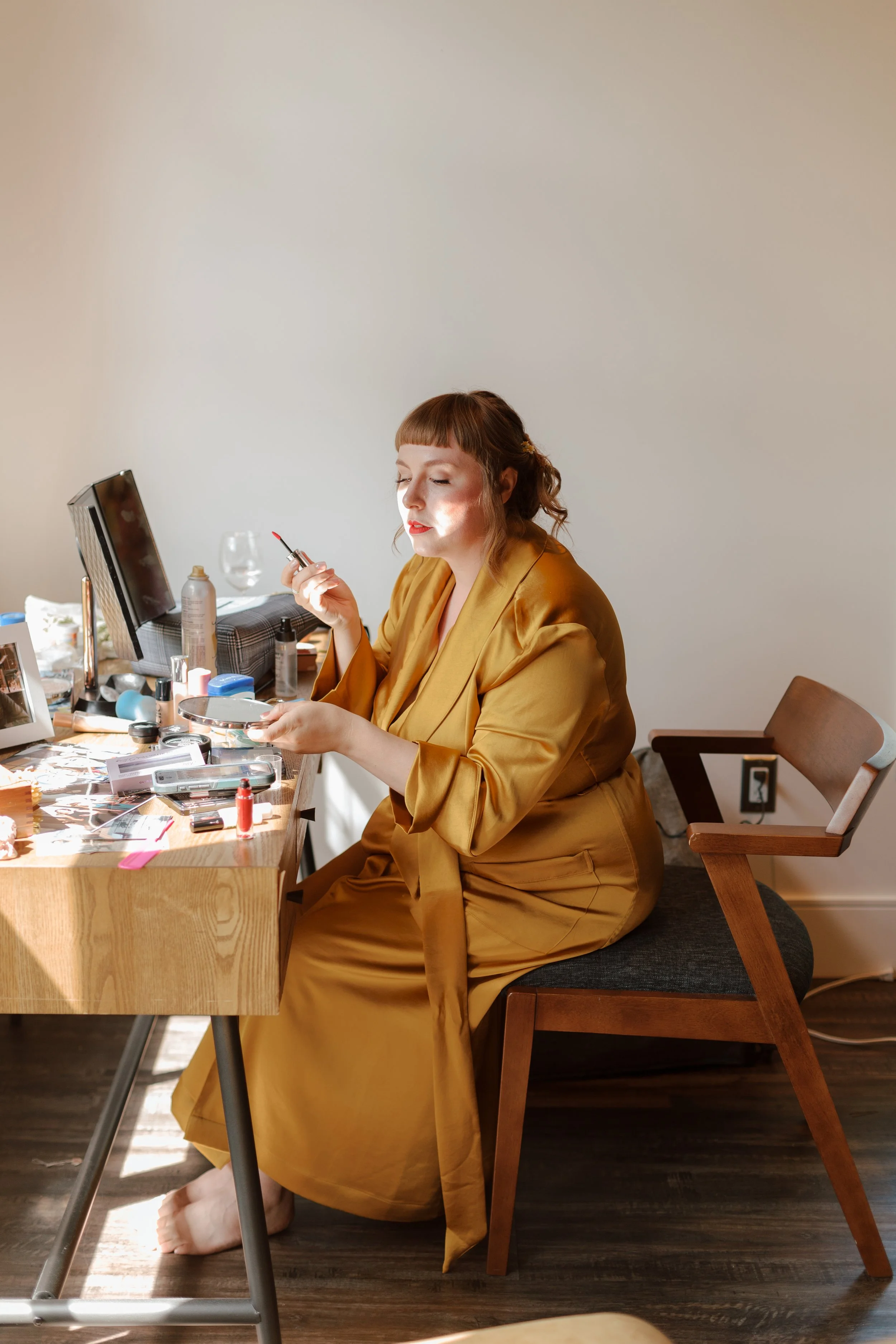
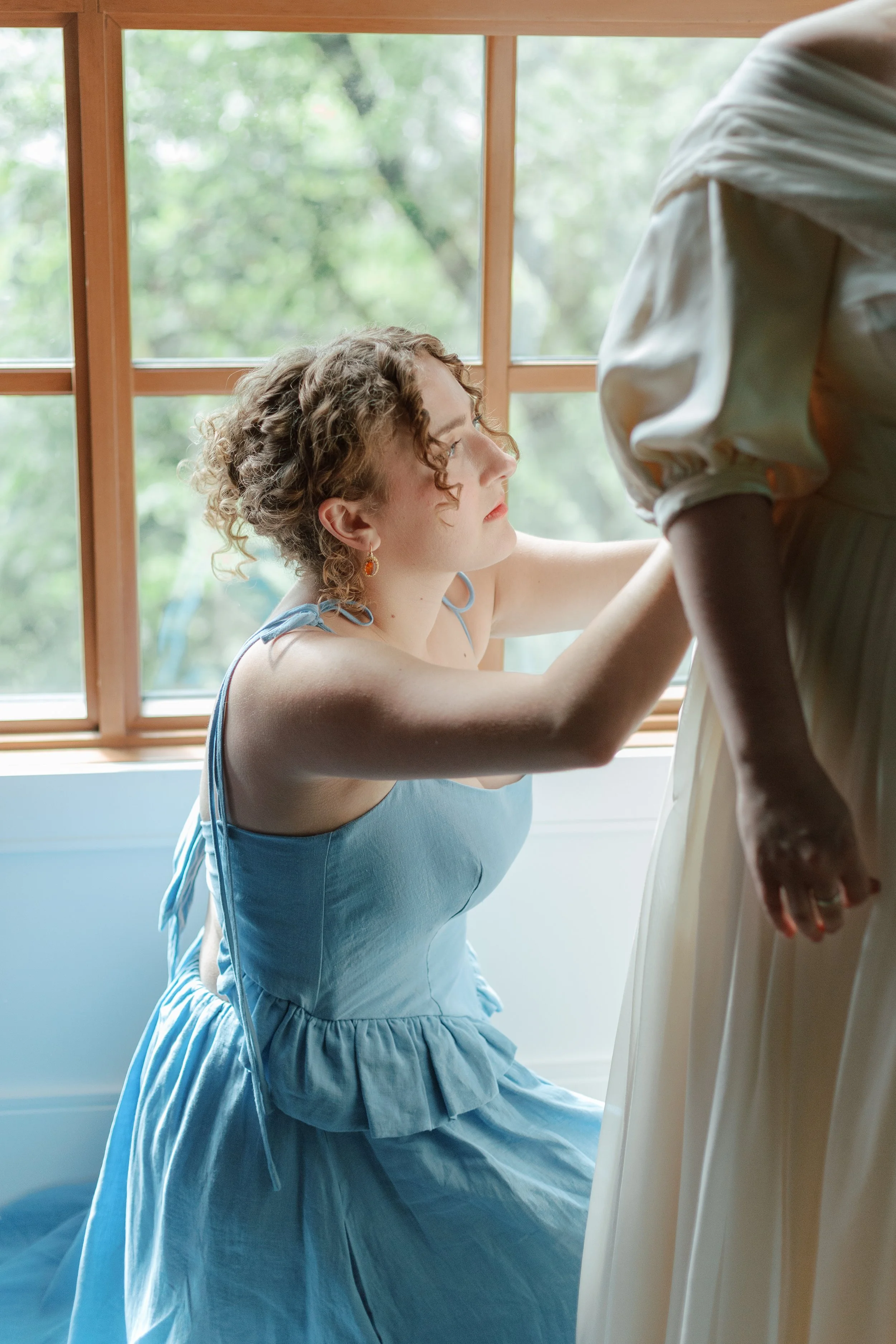
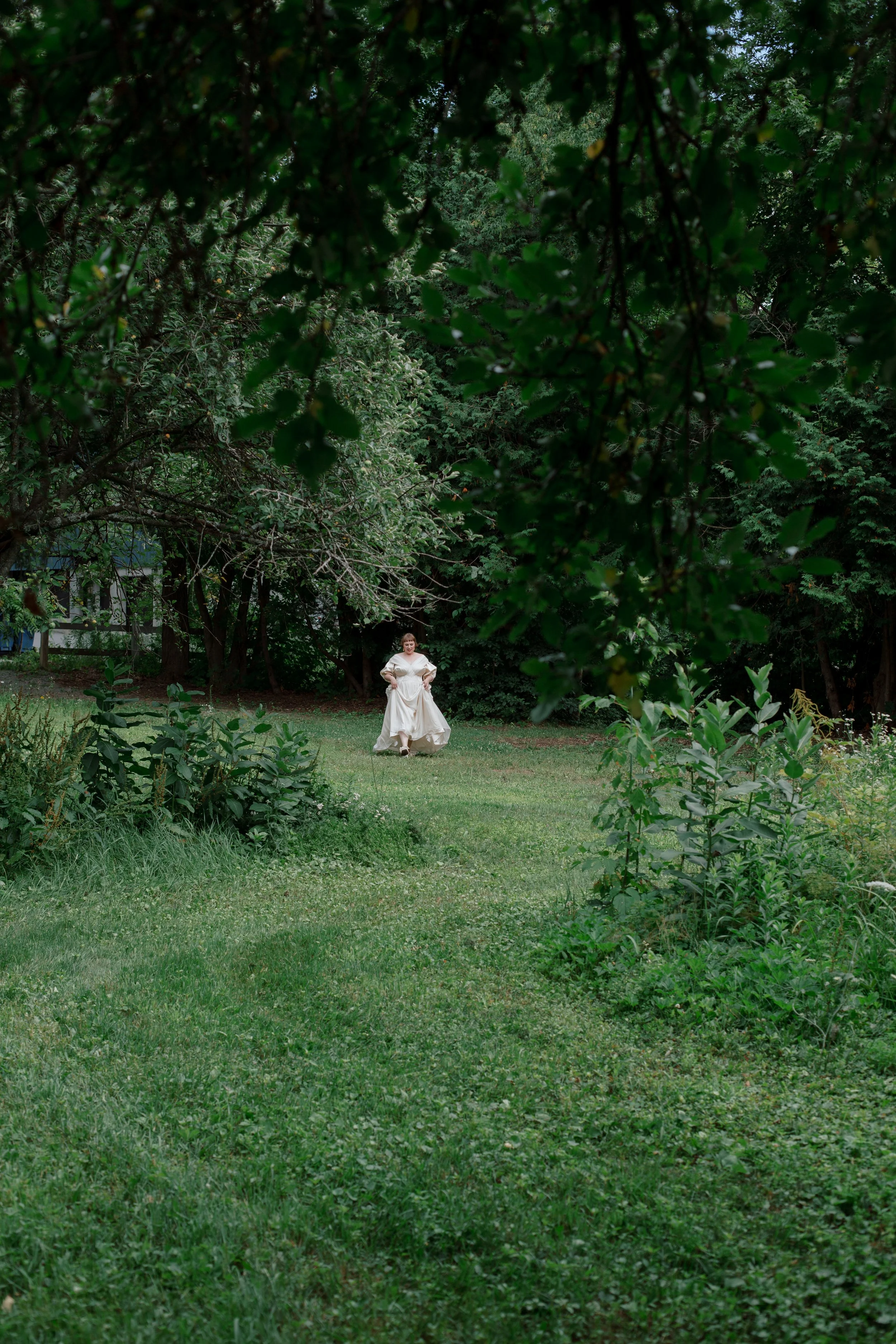
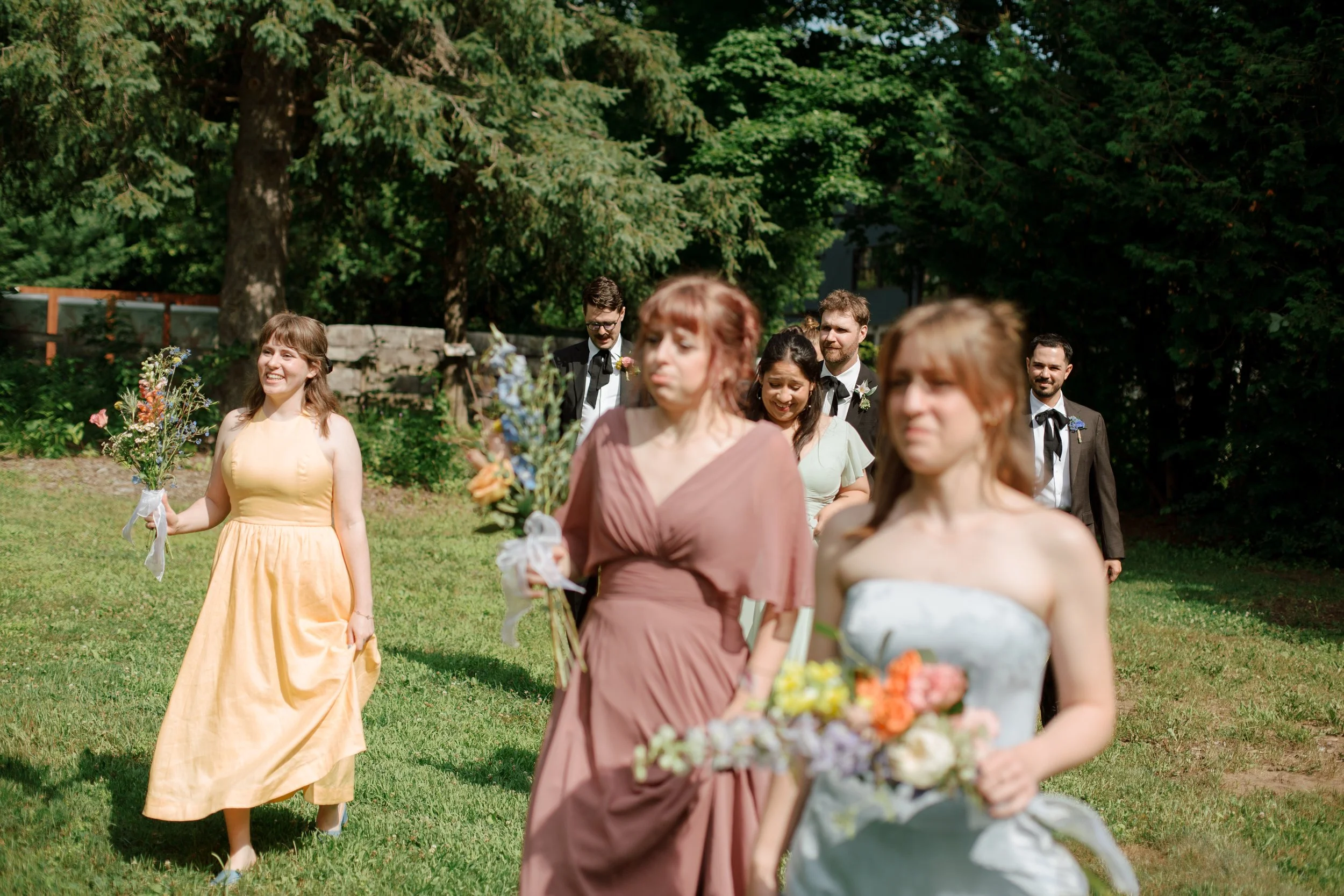
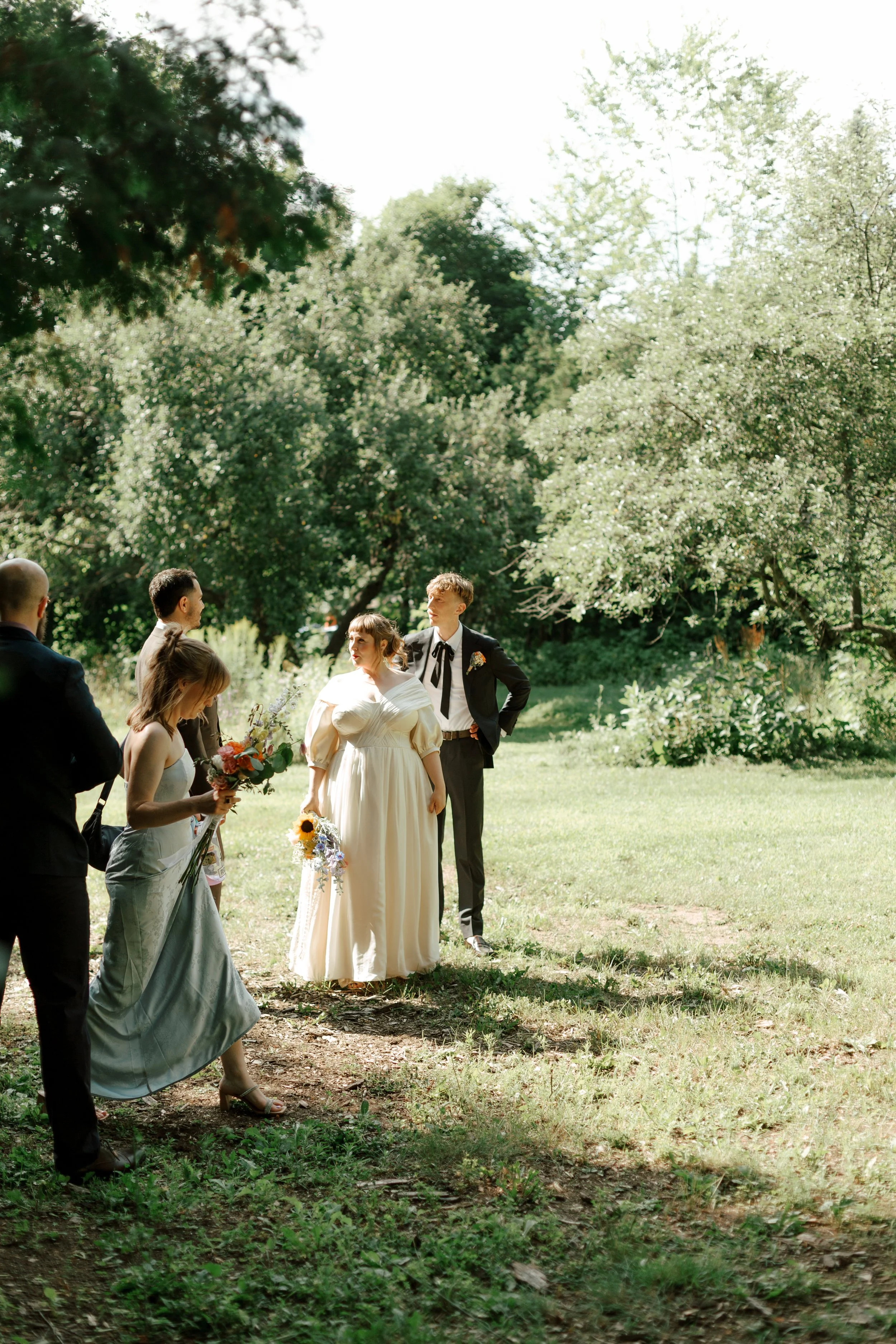
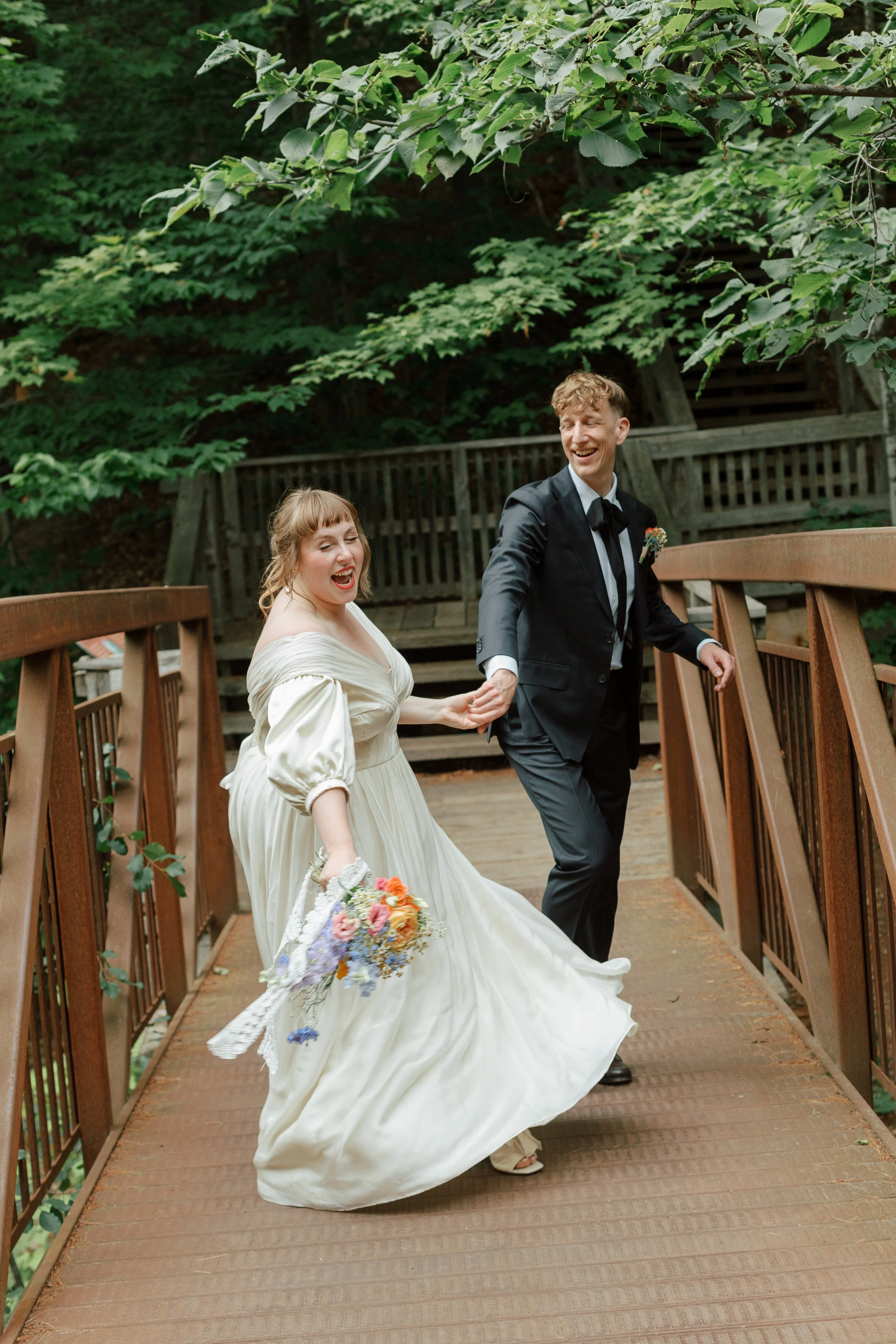
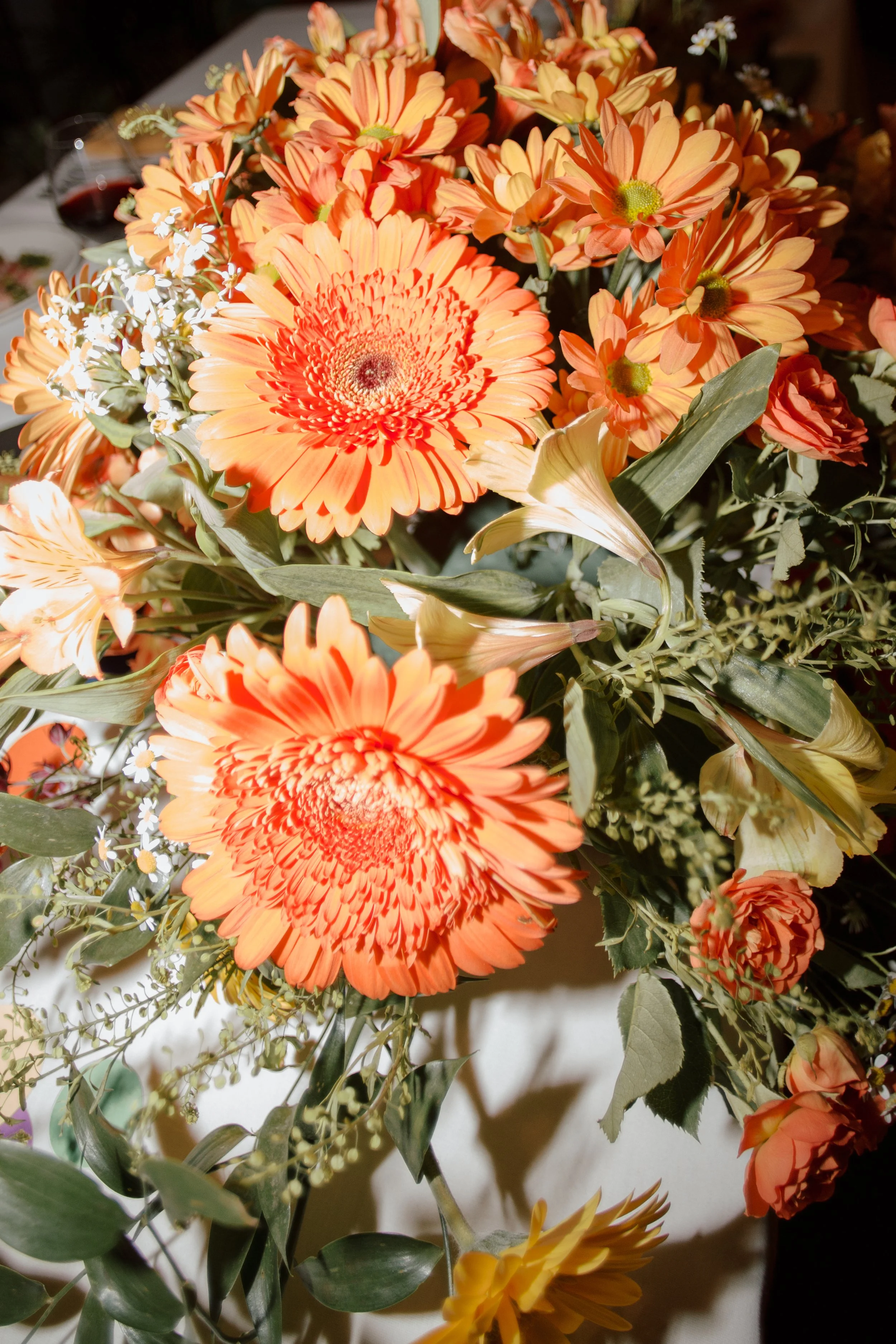
Cinematic wedding photography borrows its visual language from film. It is defined by elements such as people moving relational to each other, intentional colour palettes, atmosphere, and detail in every frame.
It's also about editing. Cinematic wedding photography has a particular quality to its colour — film-inspired, less saturated, with a tonal depth that makes images feel like they belong to a specific mood. The difference between a cinematic gallery and a bright and airy one isn't just aesthetic preference. It's a fundamentally different relationship to light and shadow.
What it isn't: heavily posed, overly produced, or dependent on elaborate setups. The best cinematic wedding photography happens in real moments.
Who This Is For
You've probably already felt the difference between cinematic wedding photography and everything else, even if you didn't have the word for it. The images have weight. They have atmosphere. They look like they belong in a film you'd want to watch.
You're a couple who cares about how things look — not in a superficial way, but in the way that people who love films, art, architecture, or design care about visual experience. You have a sense of the aesthetic you want your wedding to have, and you want your photographs to be consistent with that vision rather than generic.
You're not necessarily interested in dramatic, heavily edited images — cinematic doesn't mean dark and moody, though it can. It means it’s considered. Made rather than taken.
What It Looks Like in Practice
Cinematic wedding photography starts before the camera is ever raised. It starts with reading the light — understanding what the venue offers, where the best frames will be at what time of day, how to position a couple so the available light does the work.
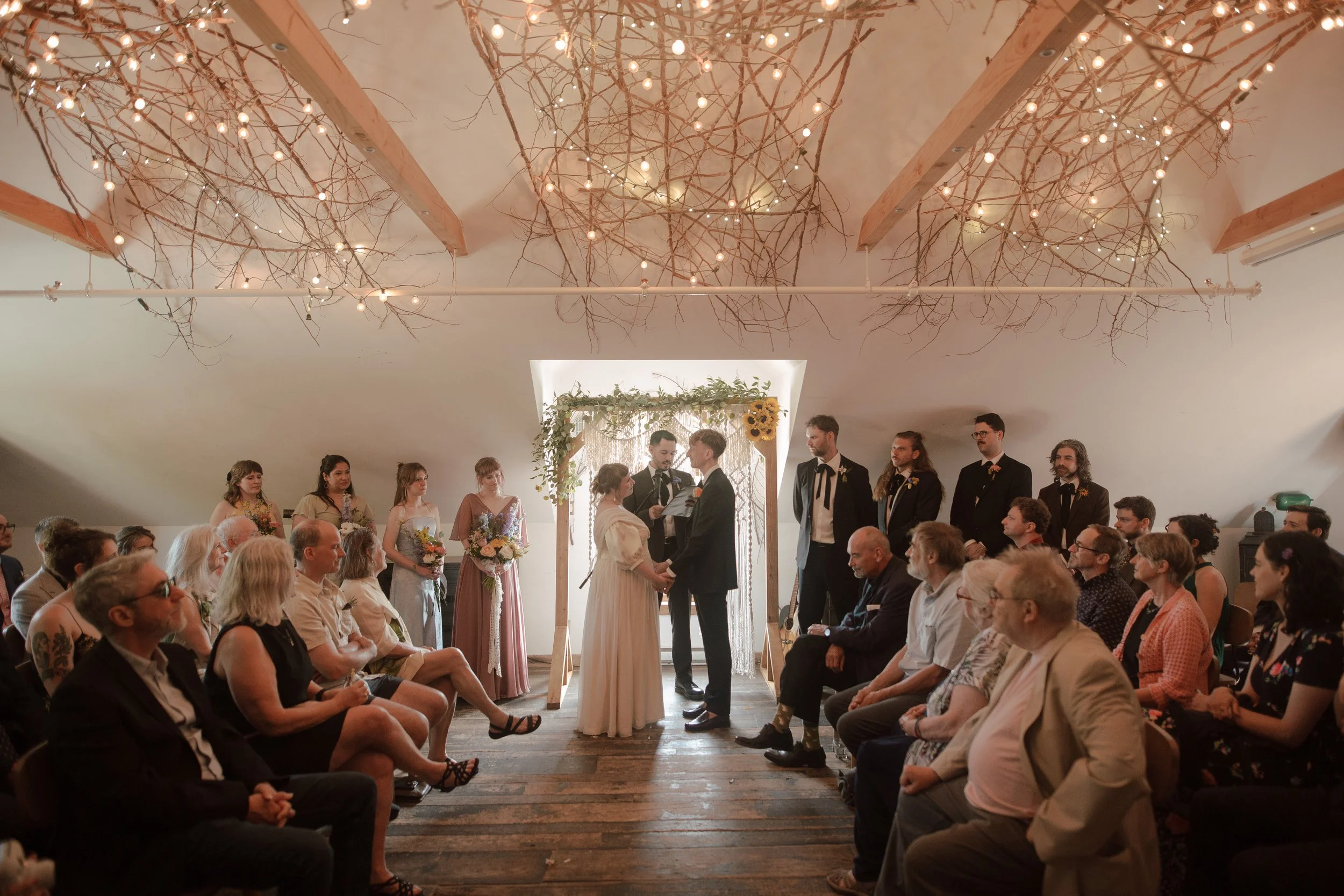
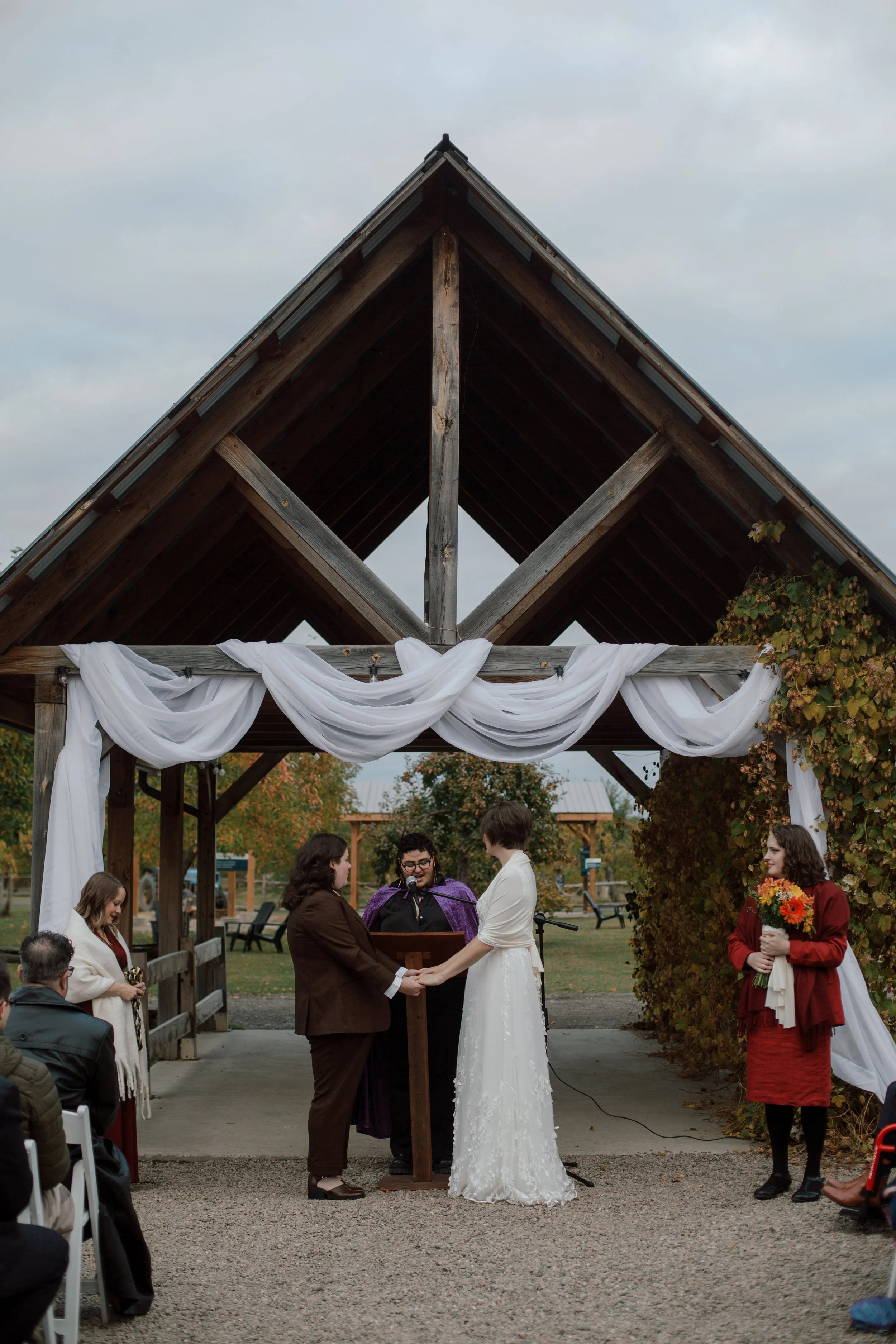
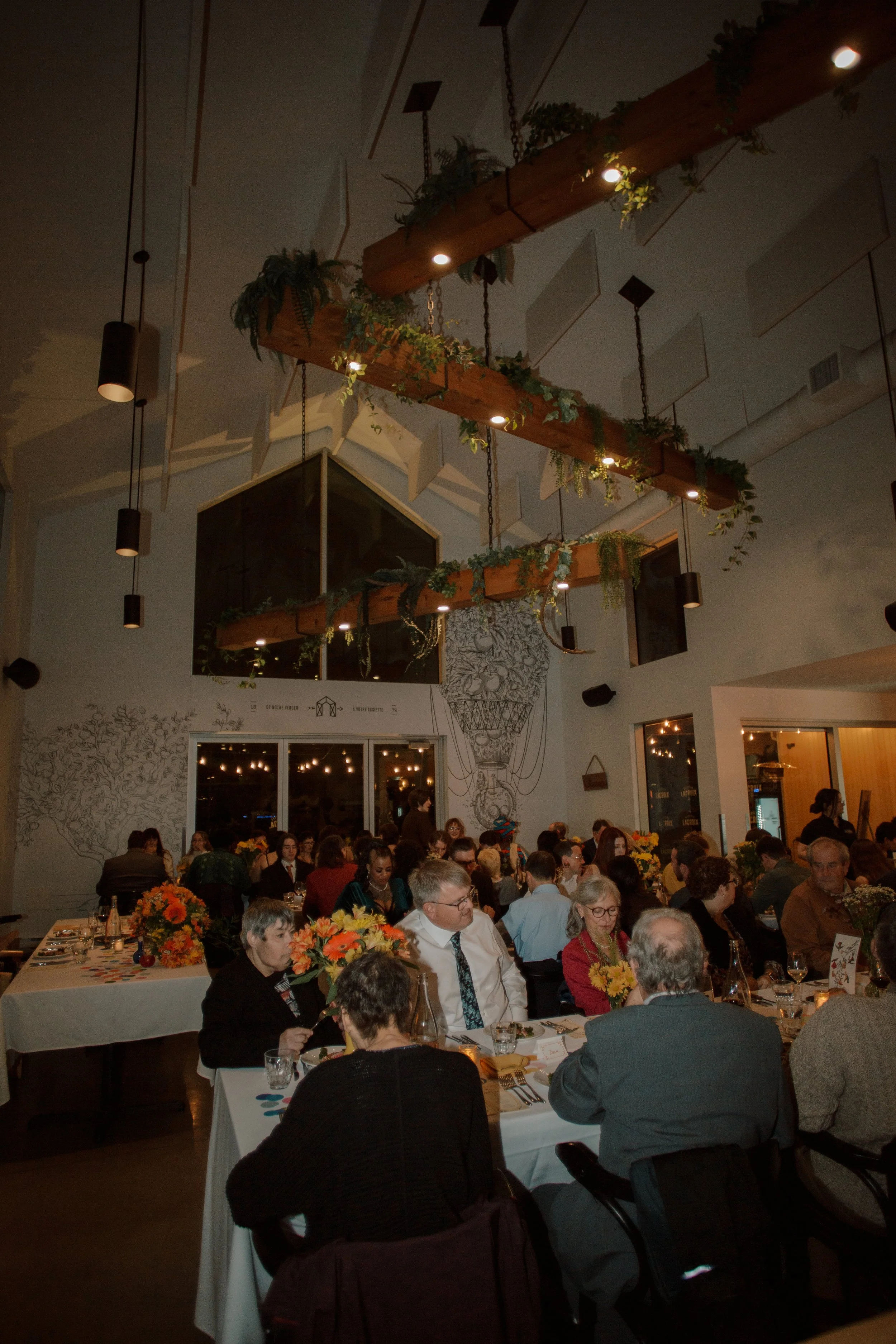
It continues through the ceremony — finding the angles that place the couple within the architecture of the space rather than just documenting them in front of it. The wide shot that shows the room, the guests, the light from the windows, and the couple at the centre of it all. The close shot that isolates an expression at the exact moment it takes its full shape.
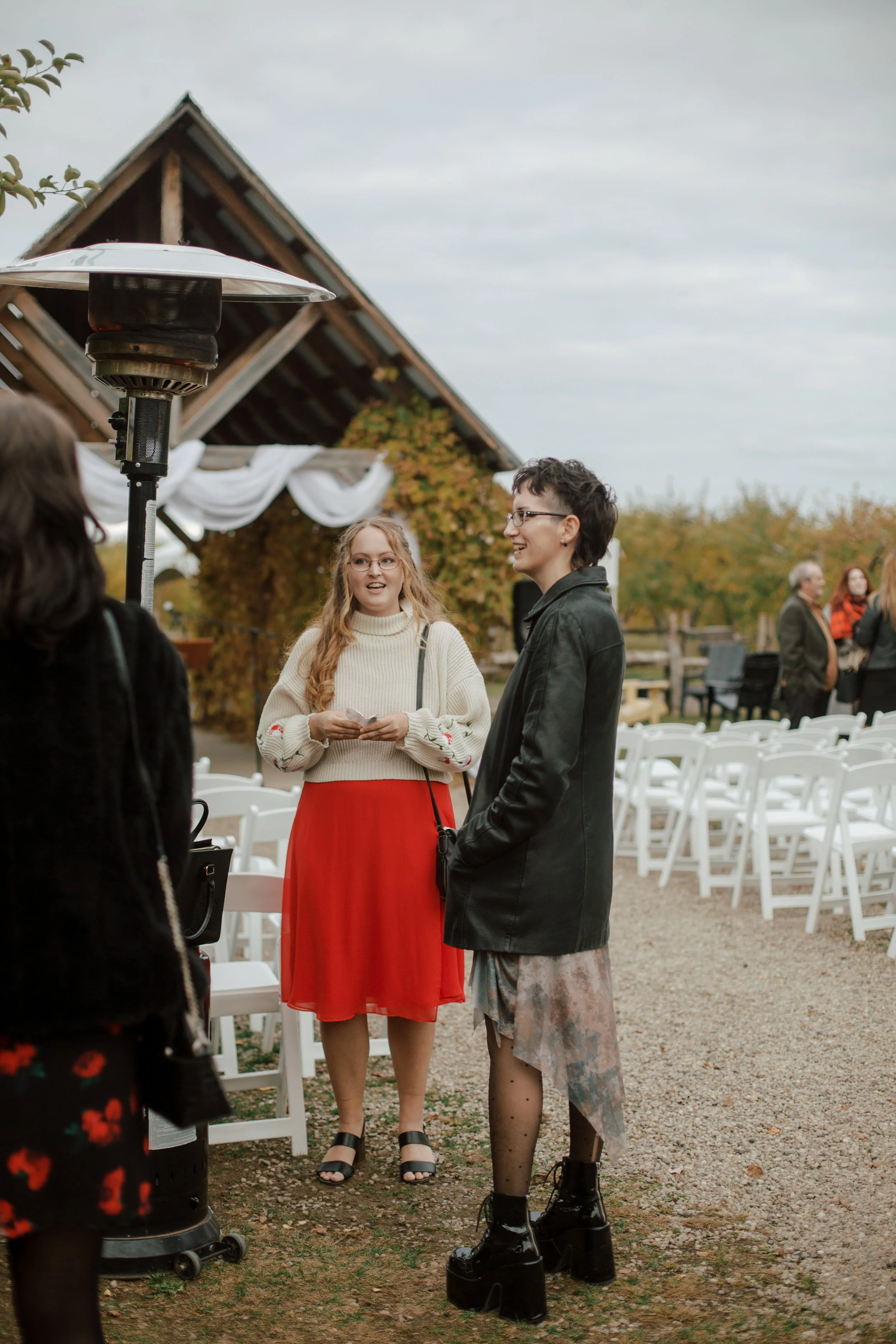
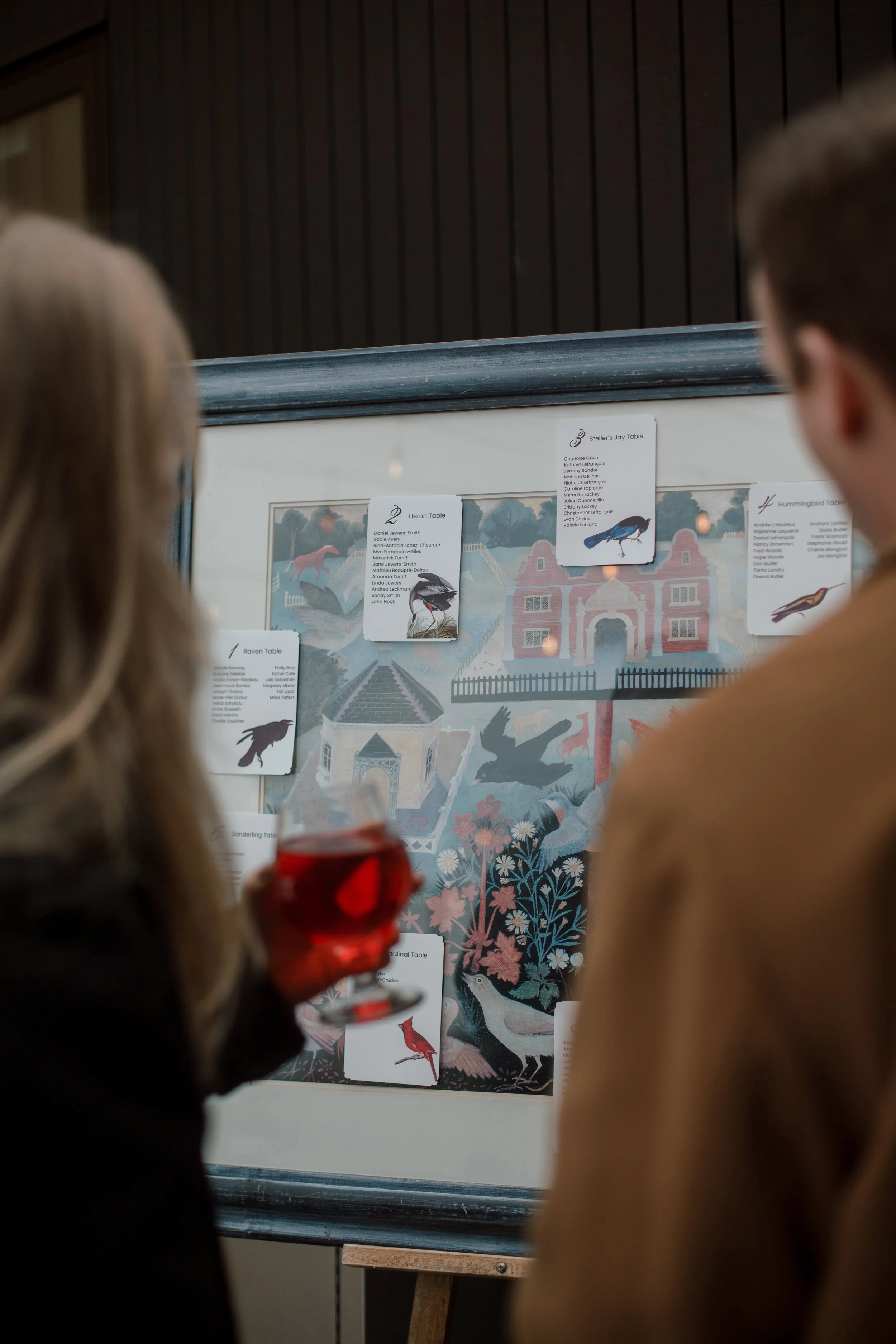
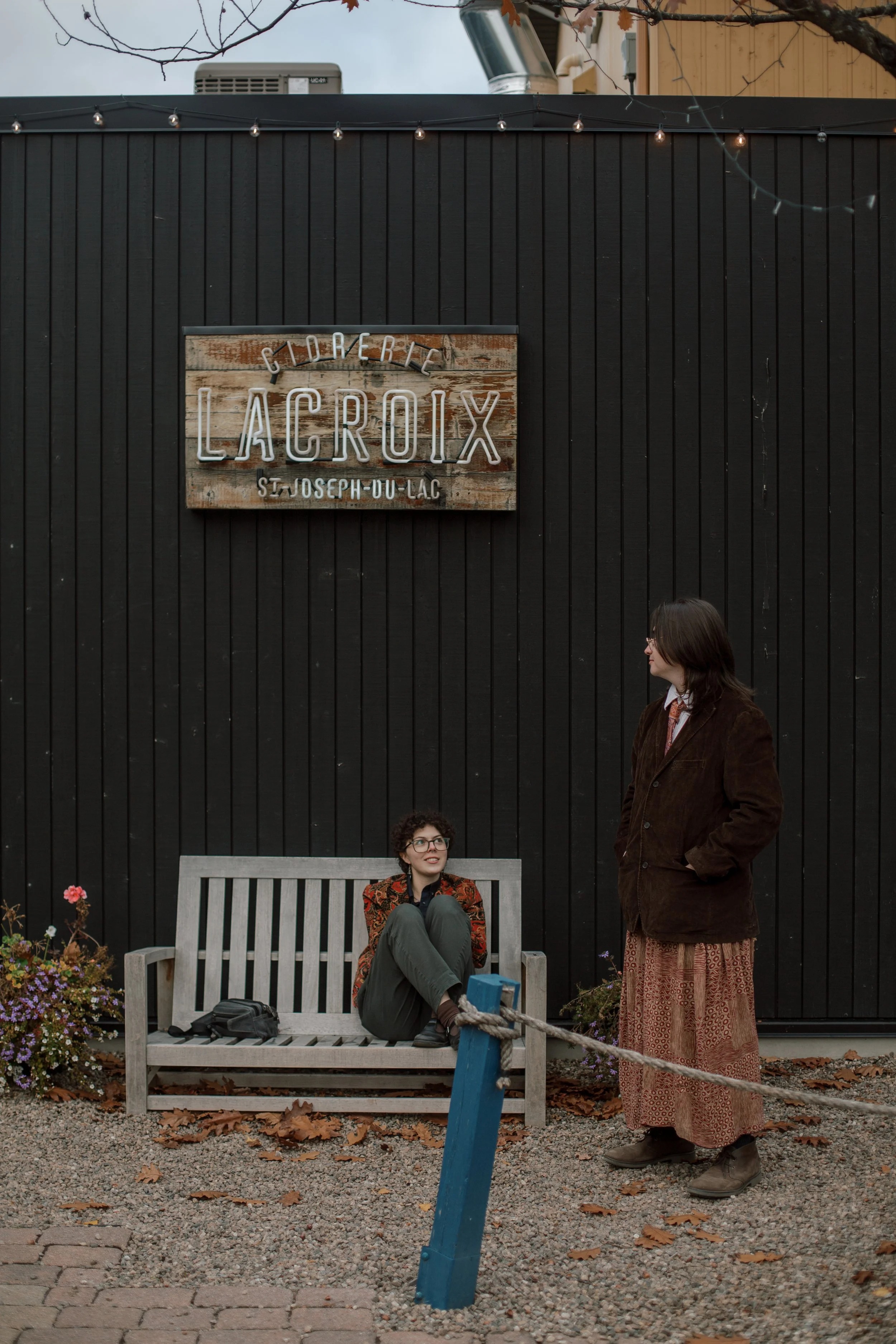


The Difference You See in the Gallery
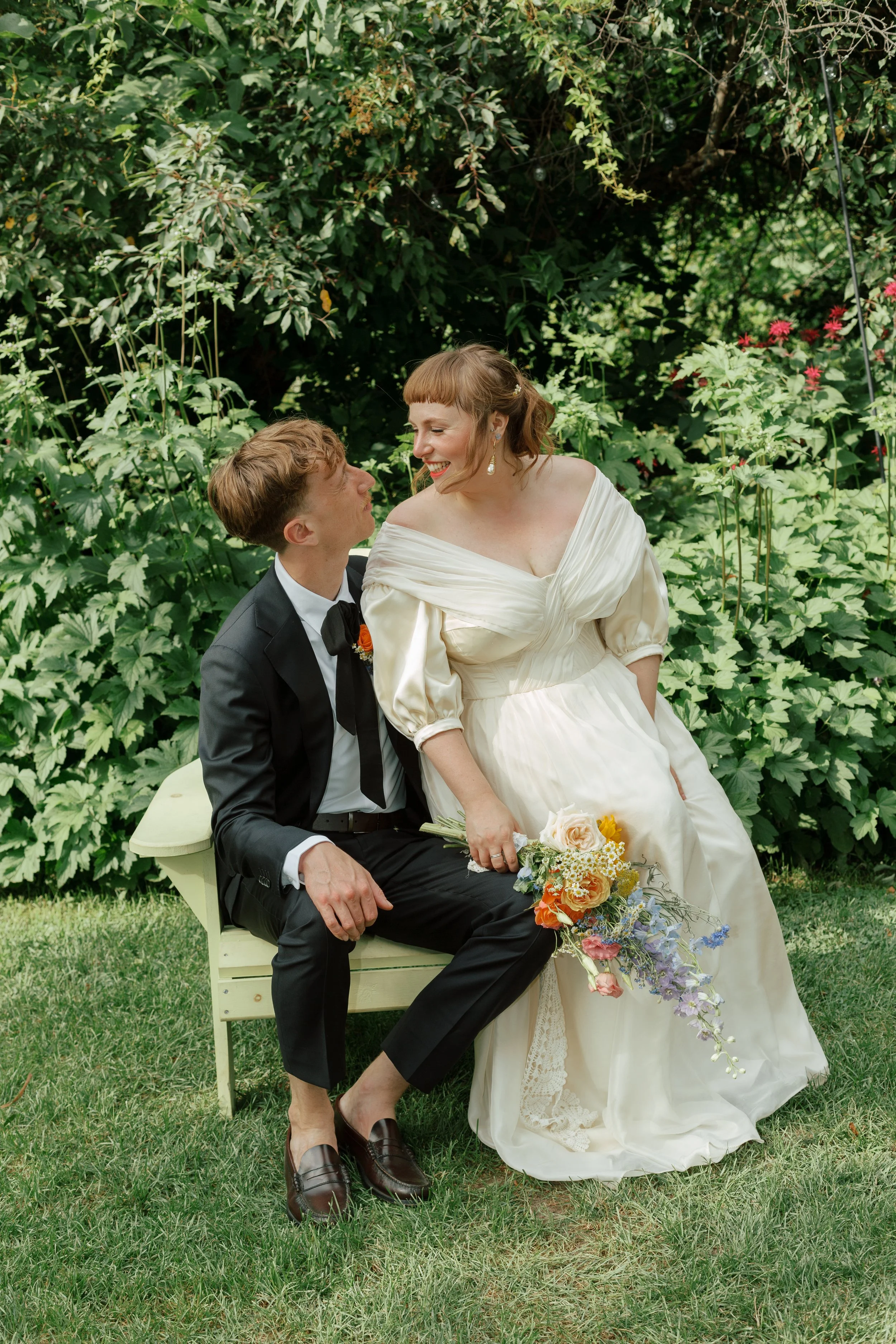
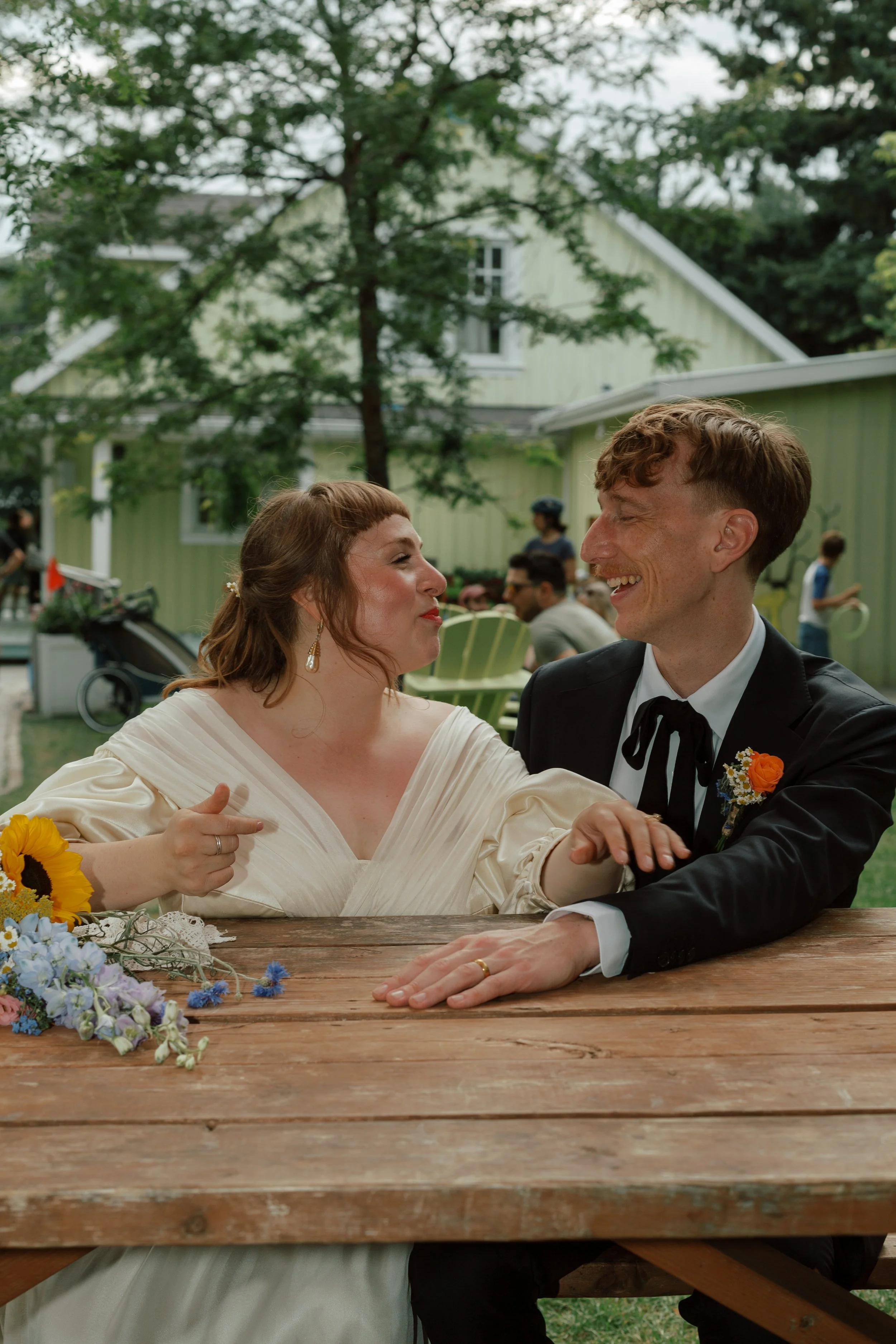
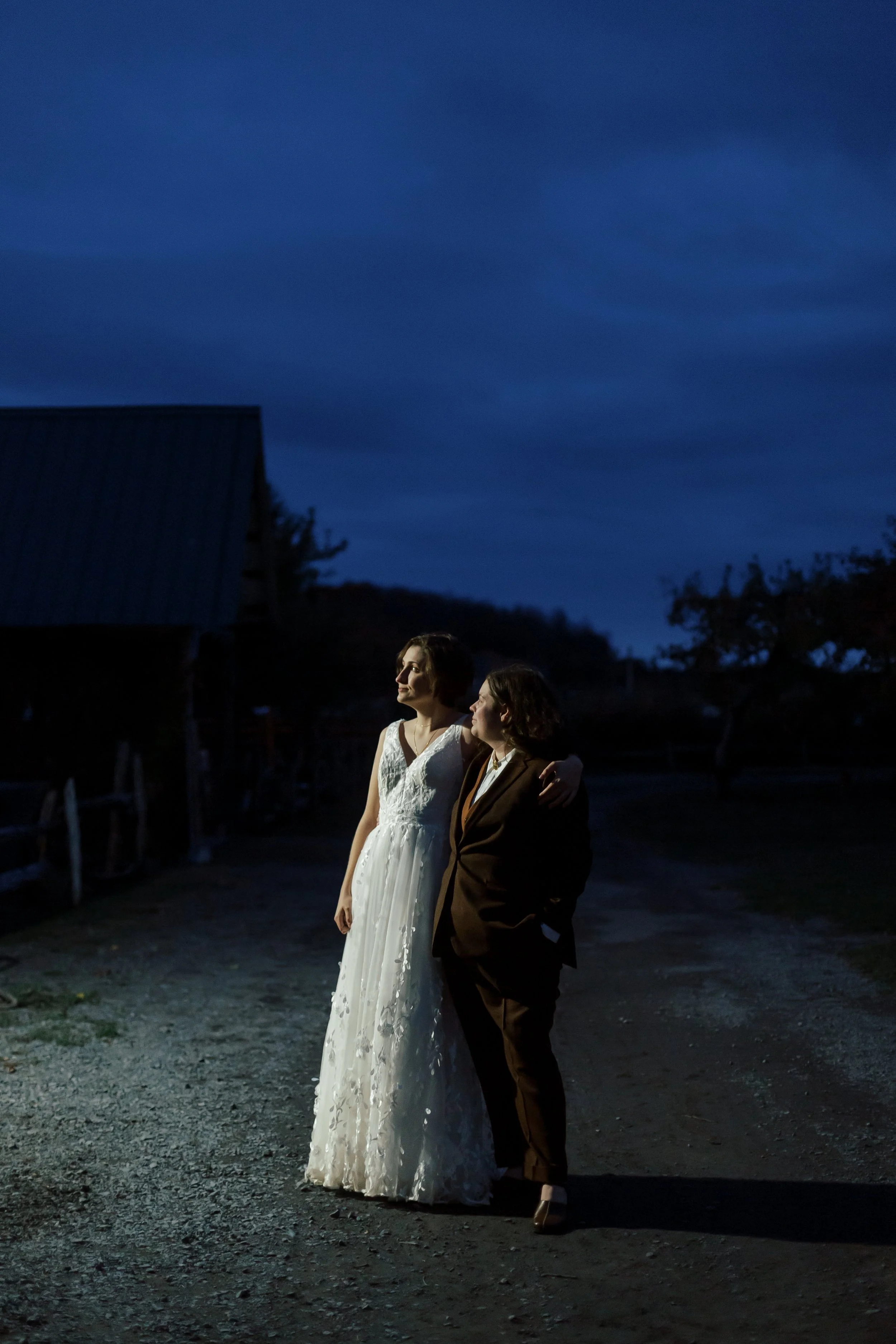
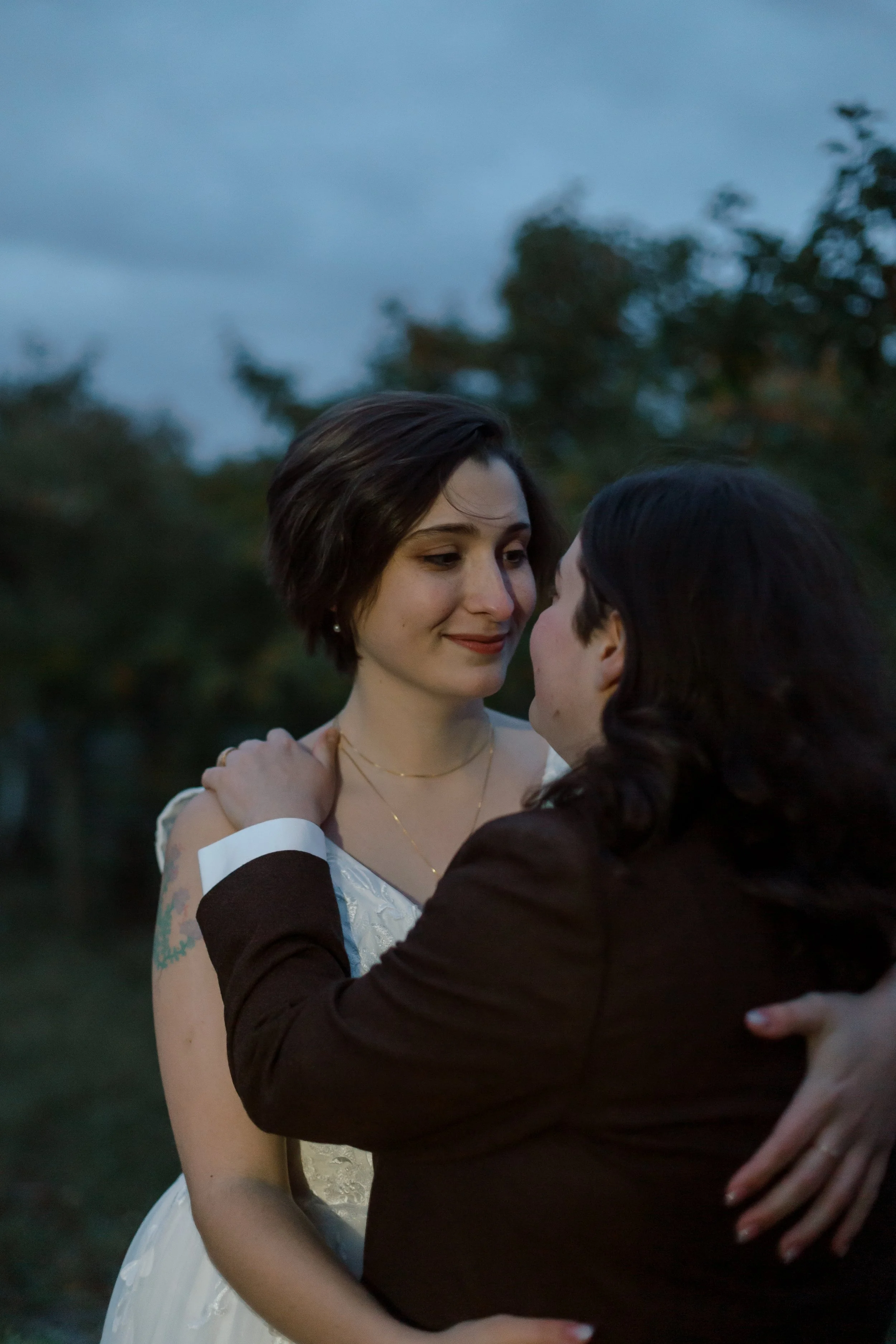
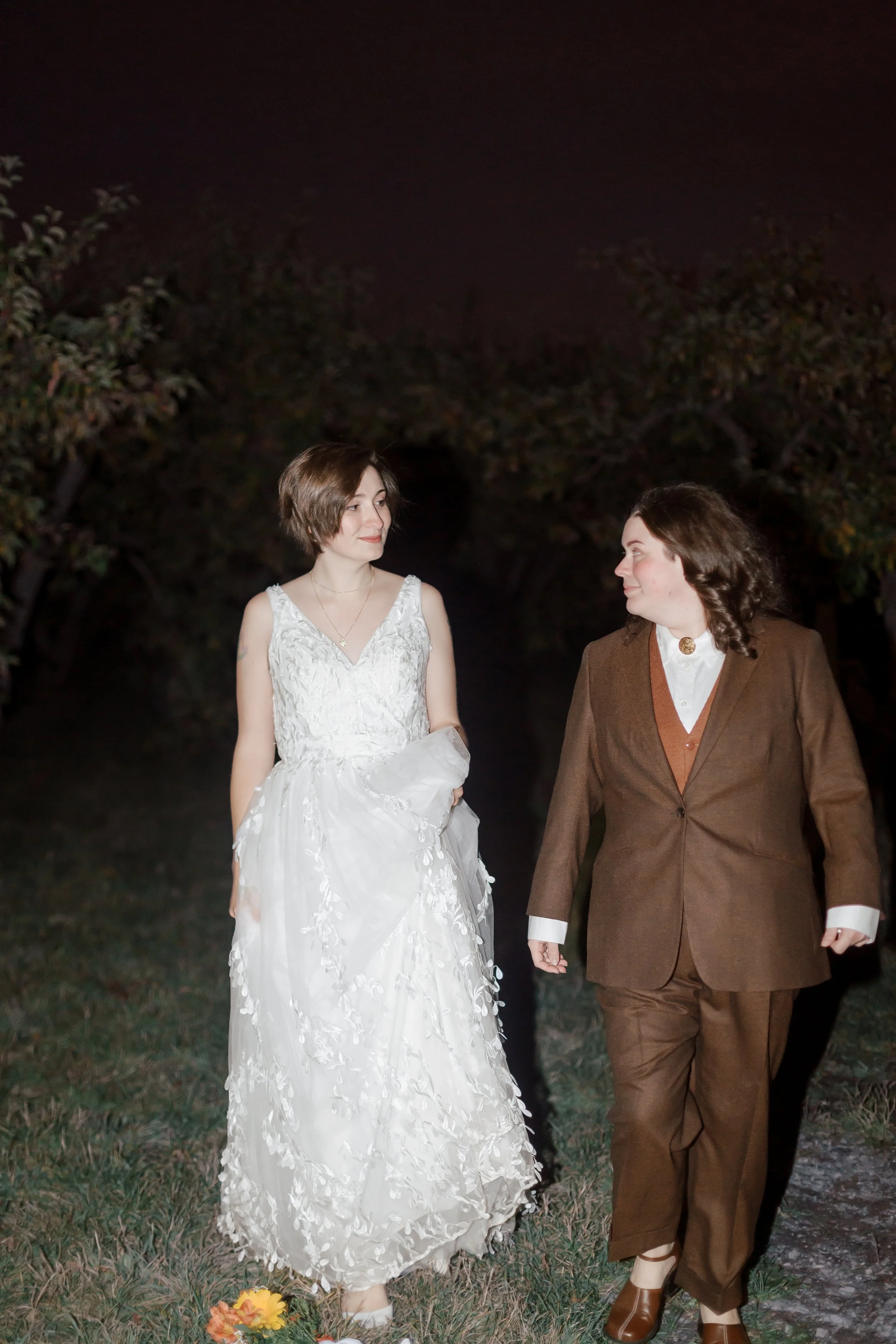
It's very visible in the portrait session. The couple who trusts the process and moves through the space naturally, while the photographer makes decisions about the frame, produces images that look effortless and deliberate simultaneously. That combination is what cinematic means in practice.
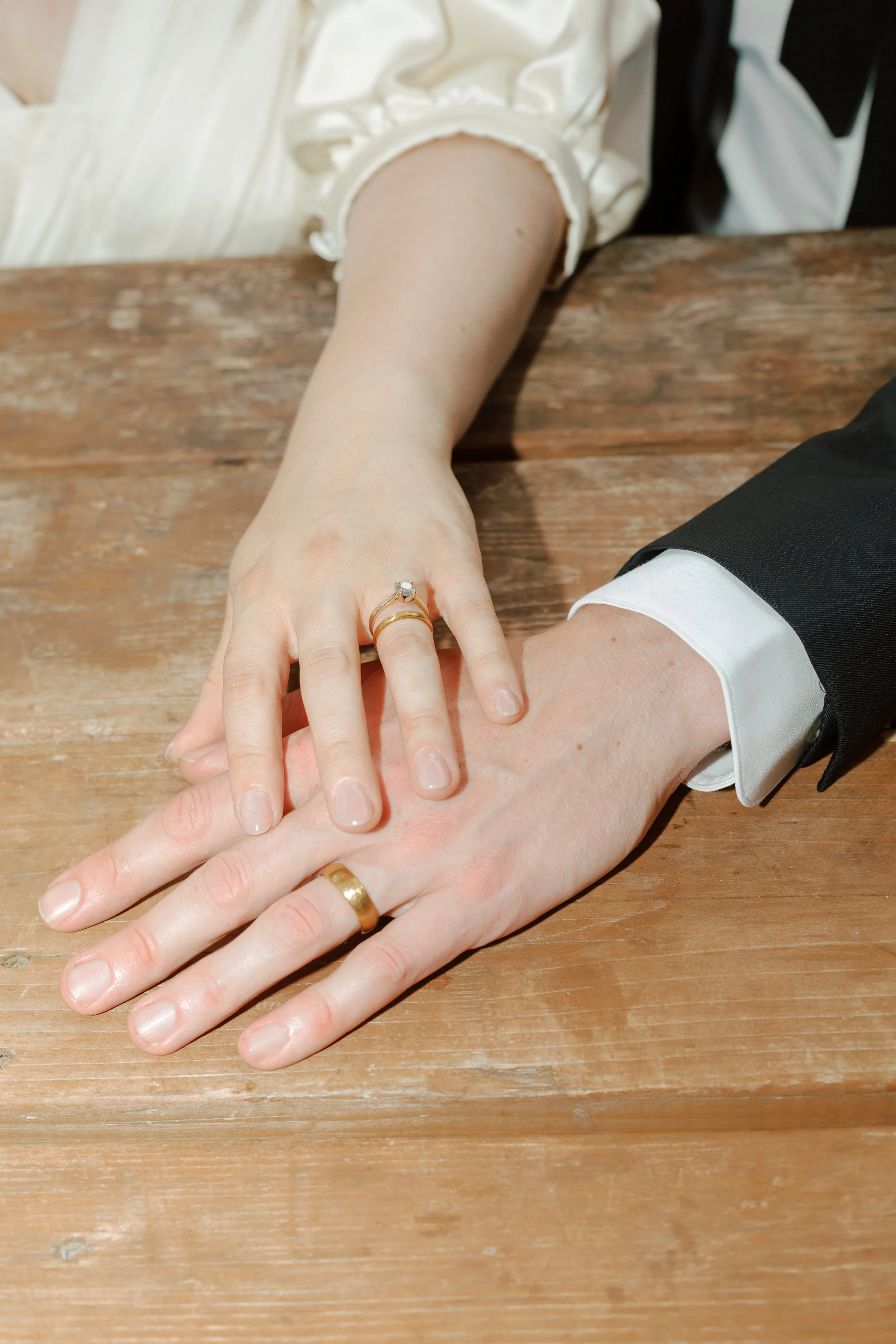
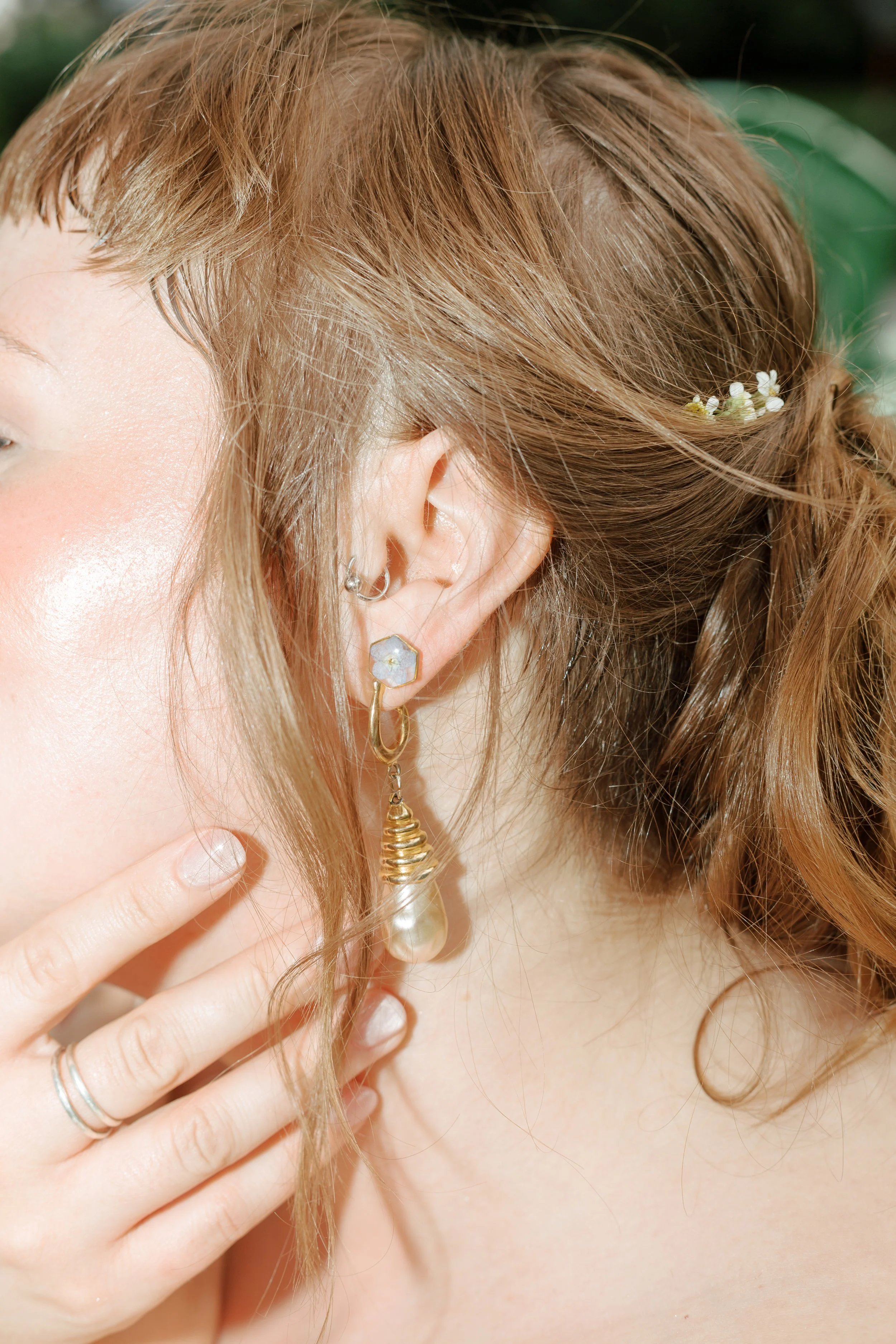
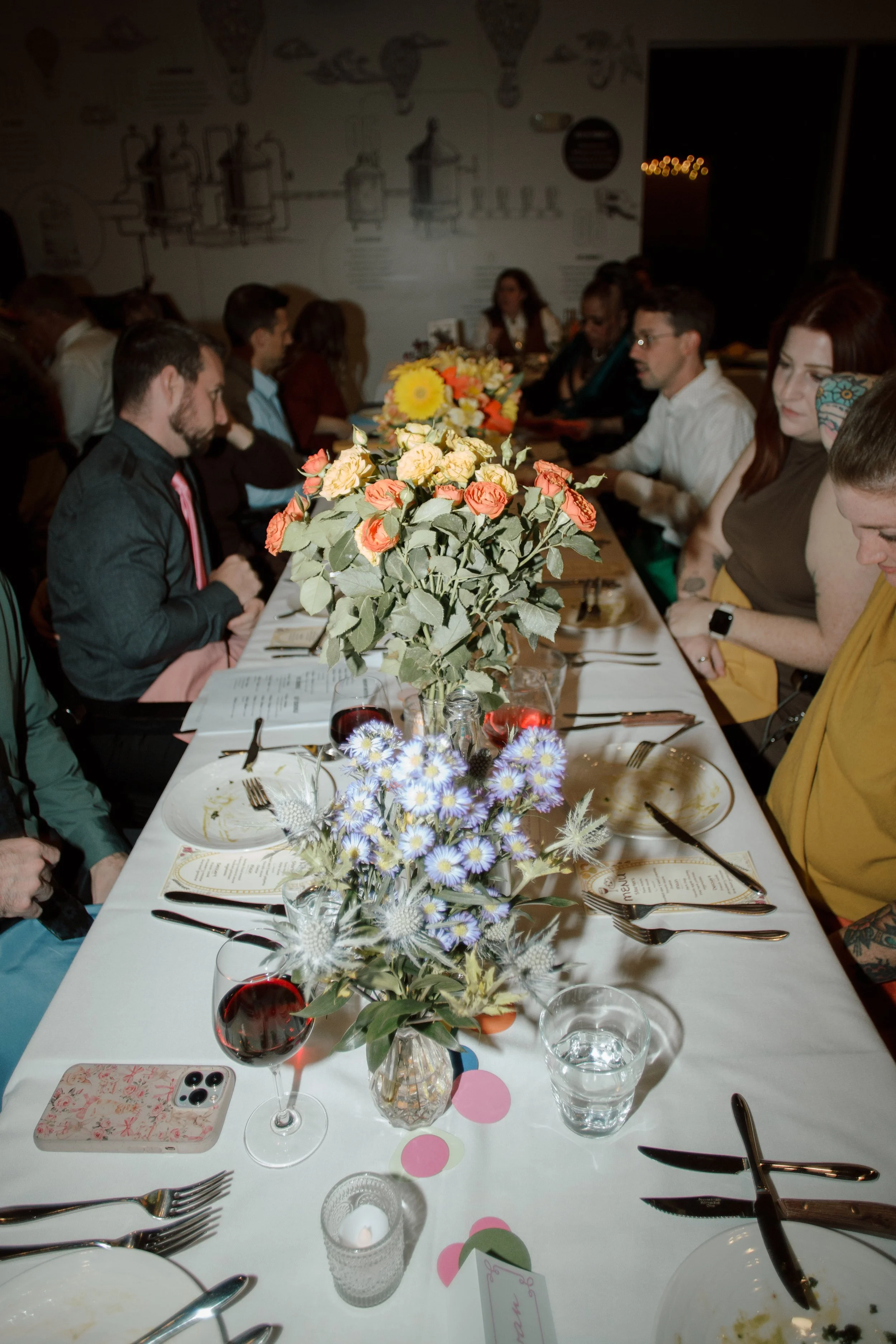
It's also visible in the variety of the images. A cinematic gallery isn't all portraits. It moves between wide establishing shots and intimate close details, between documentary moments and intentional compositions, between the grand and the specific. The couple alone at golden hour, and also the grandmother's hands during the ceremony. The sweeping shot of the reception hall, and also the condensation on a glass of champagne. A gallery that only has beautiful couple portraits isn't telling the whole story of the day. Cinematic photography tells all of it.
If this feels right for you, I would love to get to know your dreams for your day.