Wedding Day Photography Timeline: Everything You Need to Know | Montreal Wedding Photographer
Your wedding day is going to move faster than you think, in the way that the best days always do. The couples who feel most present at their own weddings are usually the ones who sorted their timeline in advance, so the day could just unfold.
Here’s a guide to planning it, with a timeline template at the end!
How Many Hours Do You Actually Need?
That depends on what you want for your wedding day!
4-5 hours
This covers a ceremony, portraits and a short reception. Right for courthouse ceremonies, micro or intimate weddings, or couples who are planning something intentional while respecting a smaller budget.
6-8 hours
This time frame is the sweet spot for most weddings. It’s enough time for getting-ready coverage, the ceremony, portraits, cocktail hour, and the first few hours of reception including speeches.
9-10 hours
Full day coverage is for couples who want everything, from the first moments of getting ready through the nighttime party dancing. This is perfect for larger guest counts (150+), and couples who want to make sure nothing is missed. They know they'll want the whole story told from beginning to end.
When in doubt, build your timeline with more time than you think you need. The moments that get cut when a timeline runs short are often reserved for the portraits, which personally breaks my heart a little as they are some of the most artistic and intimate photos of the day.
What’s in the Timeline?
Here is the complete and standard list of elements that usually make a wedding day. Of course, this list does not include any of the dazzlingly unique plans you may have in store for your day — so budget those in accordingly, and strike any of the below that does not resonate with you!
Getting Ready
It’s a common decision for couples who browsing smaller photography packages to strike this from the list. In my experience, I do recommend at least allowing time for photos of 30 minutes to an hour of these moments. The excitement in the room, the detail photos of your intimate possessions and the artistry and power behind doing your makeup and putting your dress on make incredible, storytelling photographs. These images introduce the gallery.
If you already know that getting ready will be important to you, have the photographer arrive to cover around an hour or two. If you have a choice in your getting ready location, choose the one with the best light with lots of windows!
Keep the getting ready space relatively tidy and limit the number of people in the room during key moments. The photos of ten people crowded around a mirror are charming, but the quiet ones of just you and your person of honour are the ones that tend to mean the most.
The First Look
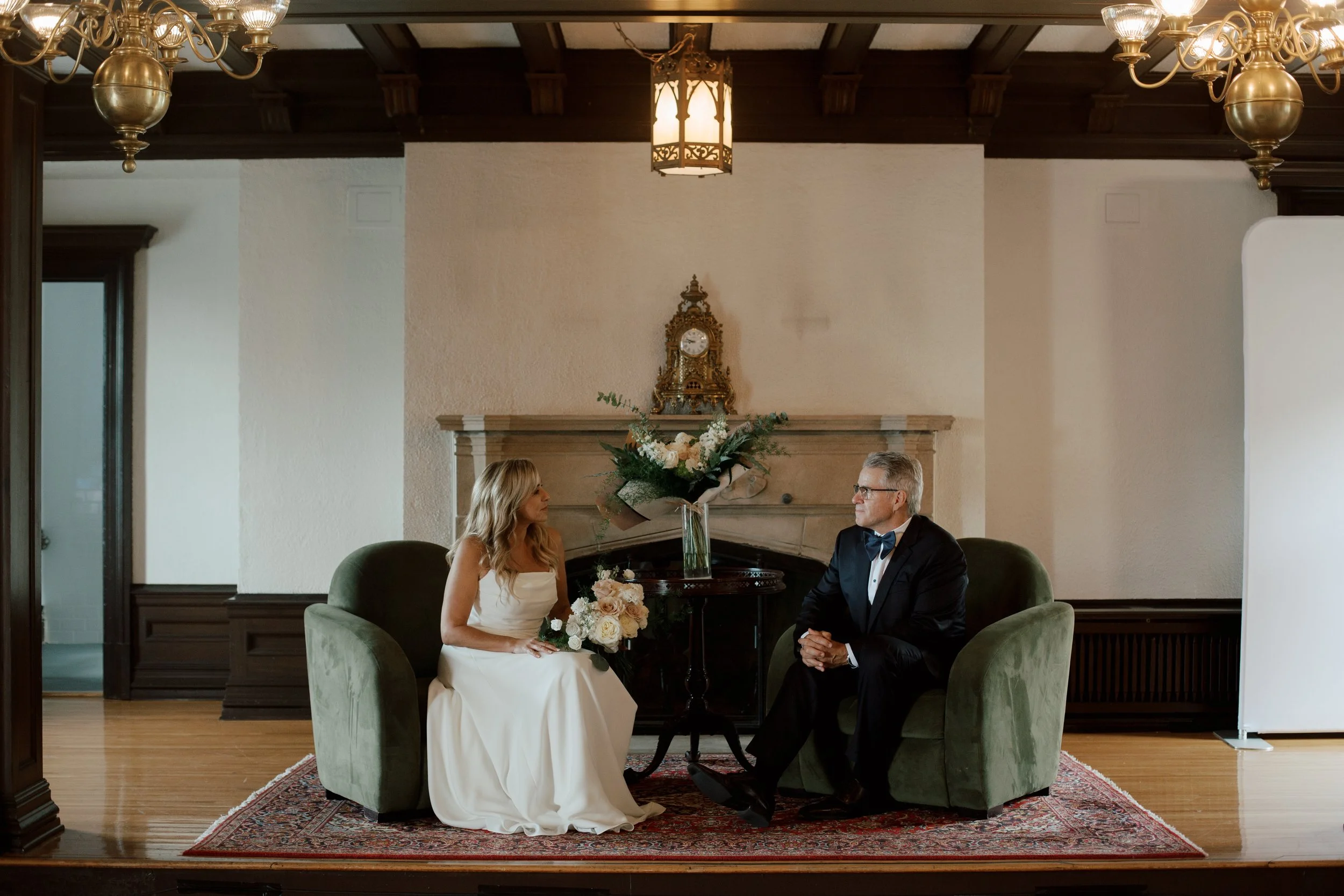
The choice of whether or not to have a first look can be a tough one! If you’re unsure, here is more guidance on how to choose which is right for you. If you want to have one, build 20-30 minutes into your timeline for the first look itself, plus travel time to and from the location if necessary. A first look done well in a private spot with enough time to actually be present in the moment creates some of the most emotionally raw images of the day.
Ceremony
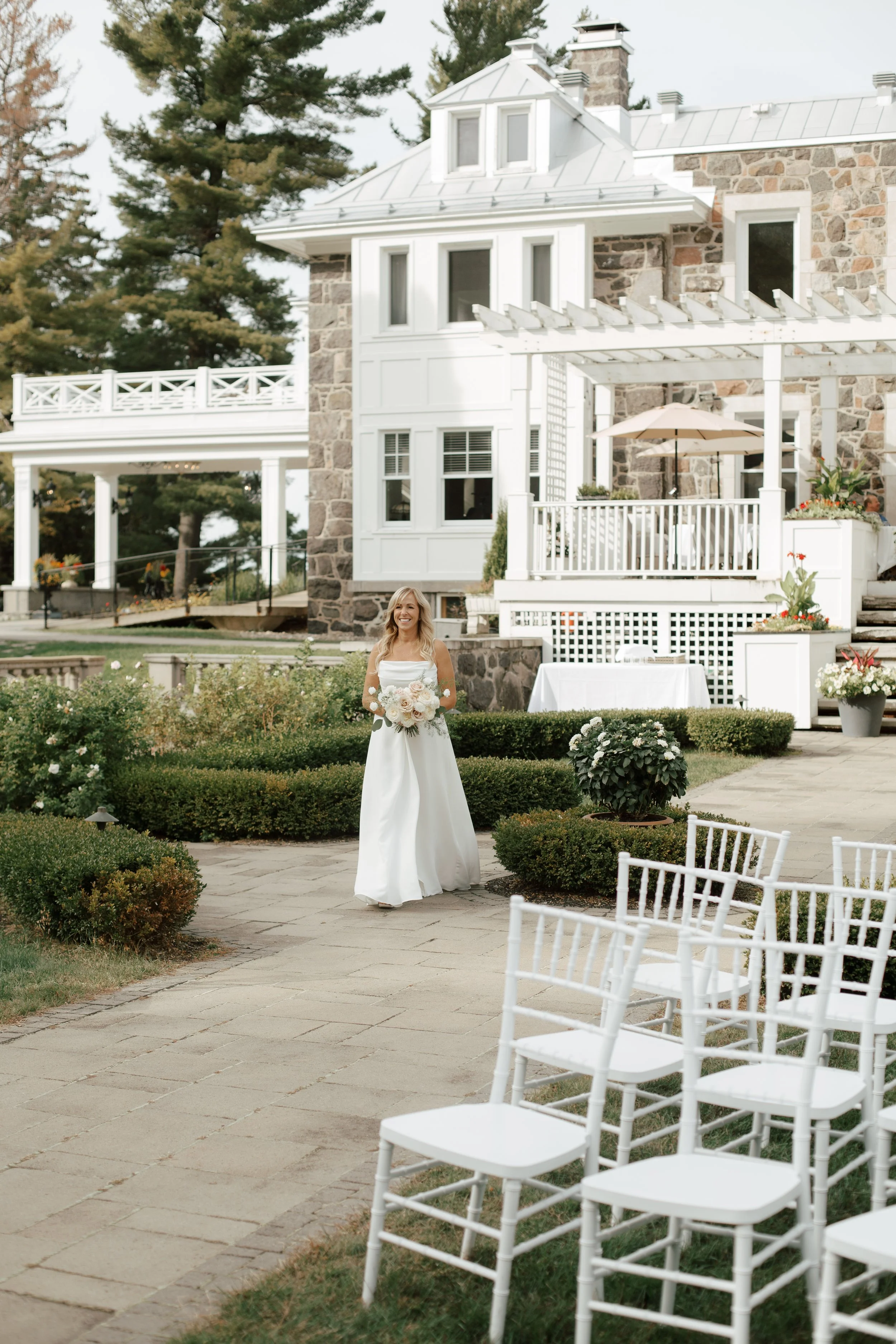
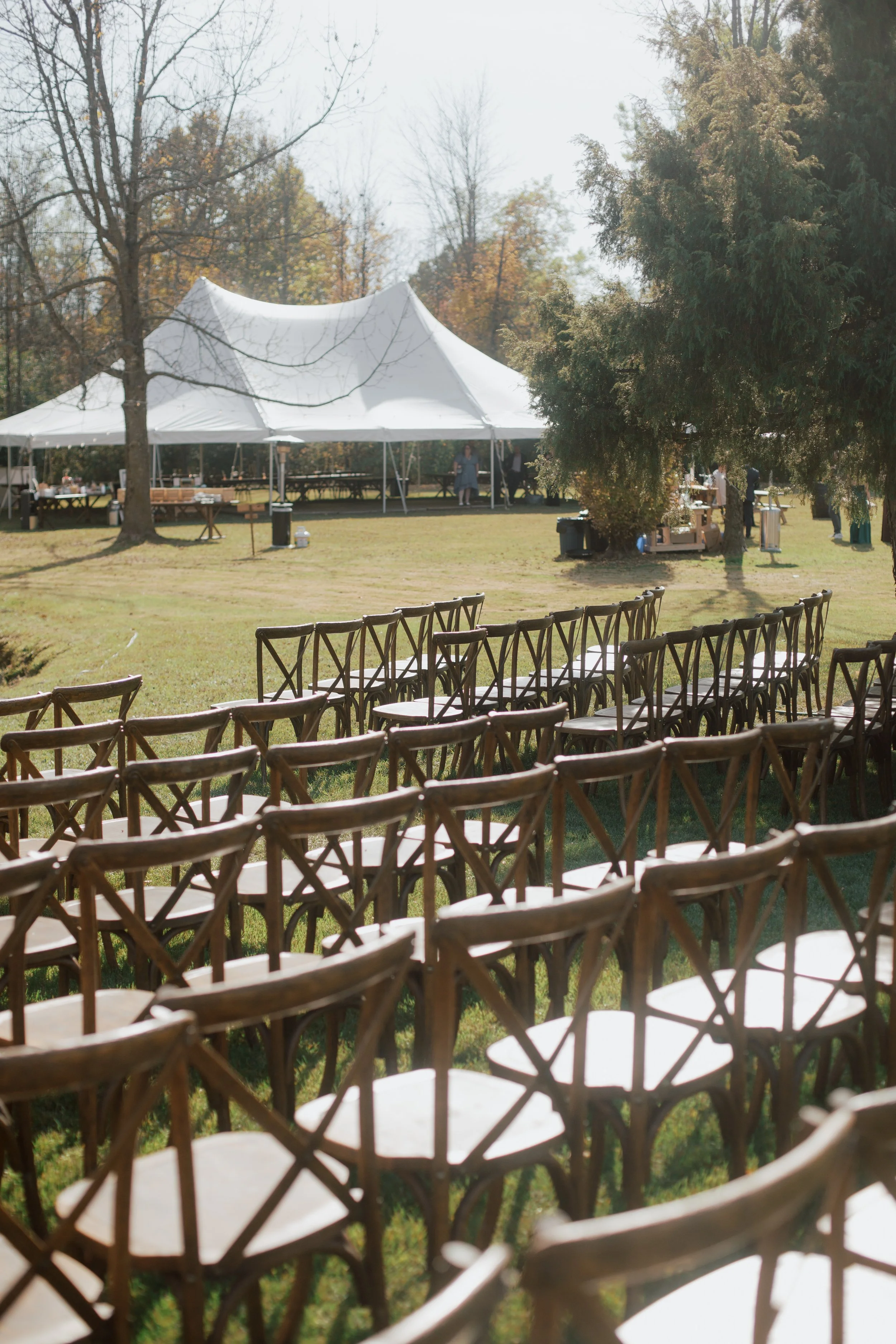
The ceremony length varies enormously — a civil ceremony can be 15 minutes, an intimate ceremony can be about 30 minutes, and a religious ceremony can be over an hour. Whichever yours is, build at least a 15-minute buffer after it for the receiving line, congratulations, group photo, and the natural flow of guests moving from ceremony to cocktail hour. If your reception is happening at the same place, you can move right into family portraits. If you must travel to a separate location for reception, there’s opportunity for a fun car or limo and some classic portraits of getting into it and driving away!
Family Portraits
Time needed for family portraits also varies immensely between 10 minutes and 2 hours, depending on your needs! Do you have a 3 page list of extended family and friend groupings? That’s a 2 hour event. They’ve already had a couple drinks, the uncles keep escaping and then other people disappear to hunt them down, your mother runs out of patience and gets snippy, and some grace is needed! Fair warning! If you would just like some simple groupings with 10 family members, that’s a 10 minute thing. Another dependable aspect is which kind of portraits you would like. Making a line takes less time than artful poses.
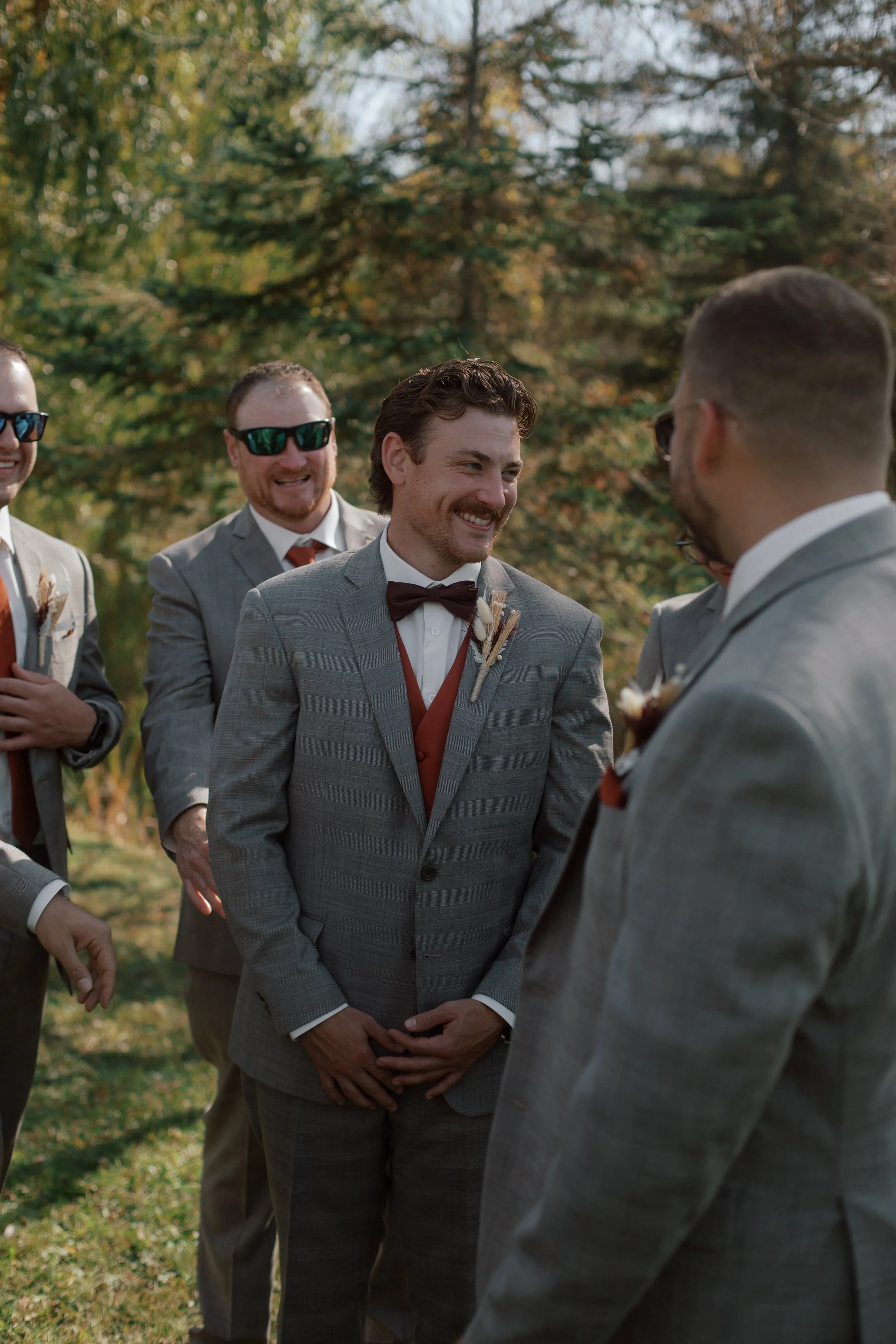
The single most useful thing you can do to make family portraits run efficiently: send a list to both families in advance with the exact groupings you want, in the order you want them. Assign a family member on each side to gather people and keep things moving. Every minute spent finding Cousin someone is a minute taken from your couple portraits or cocktail hour.
Keep the list to the groupings that really matter to you! Prioritize the portraits you'll actually want on your wall.
Cocktail Hour and Couple Portraits
An essential hour!
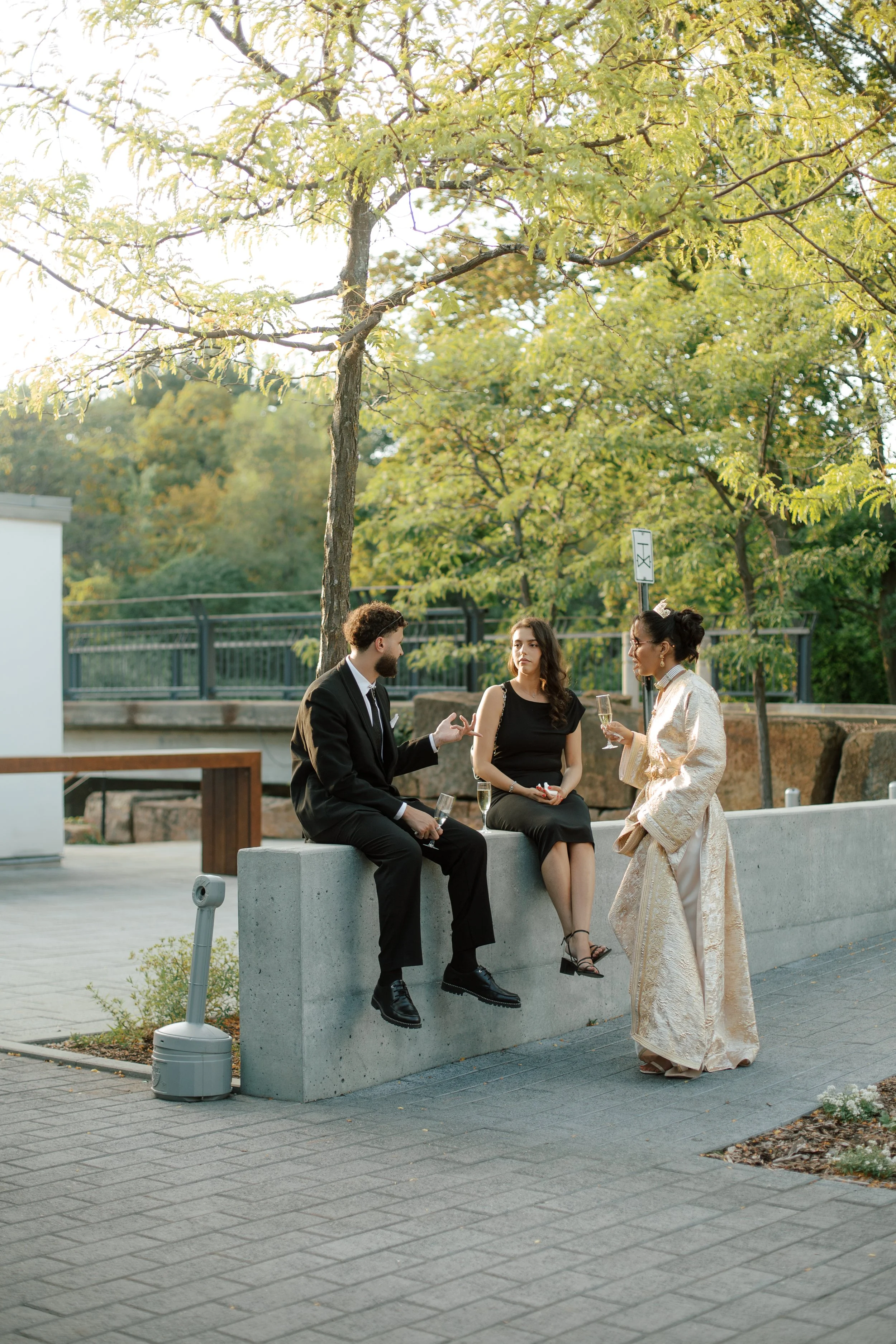
Small caveat: If you’ve done your first look, I recommend getting the couple portraits out of the way before the ceremony. Then, after just the family portraits, you are done with photos and can relax at your own cocktail hour. However, if you prefer to experience the classic moment of seeing each other for the first time on the ceremony isle, the couple portraits usually happen while your guests are released into cocktail hour. They chat among themselves while you leave to a quiet place with your photographer. If both first look on the isle and cocktail hour are non-negotiable for you, a less travelled path would be to do couple portraits during reception during sunset, but this would require exact timing to catch that light, or you could end up with nighttime portraits. Those can be cinematic and beautiful too.
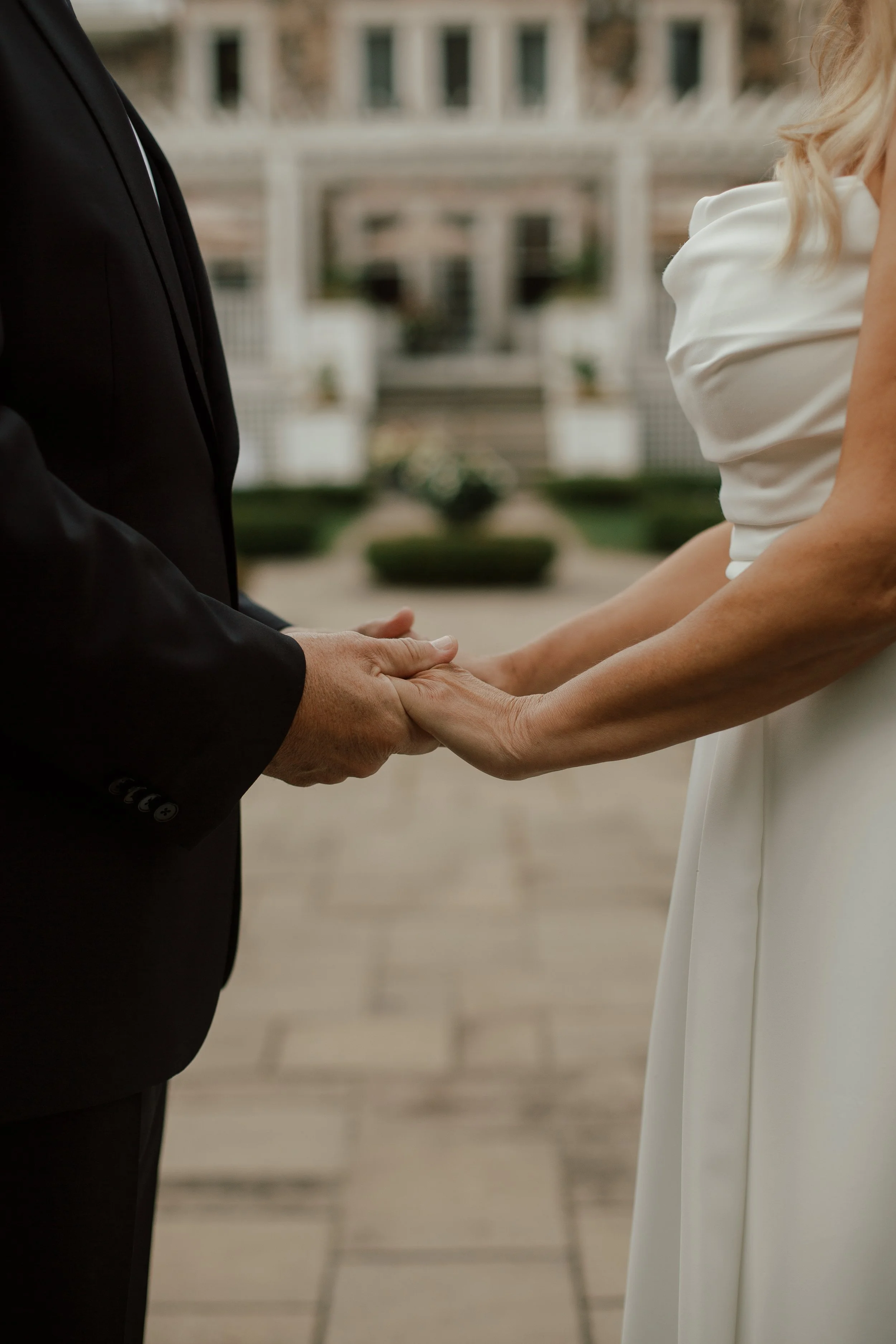
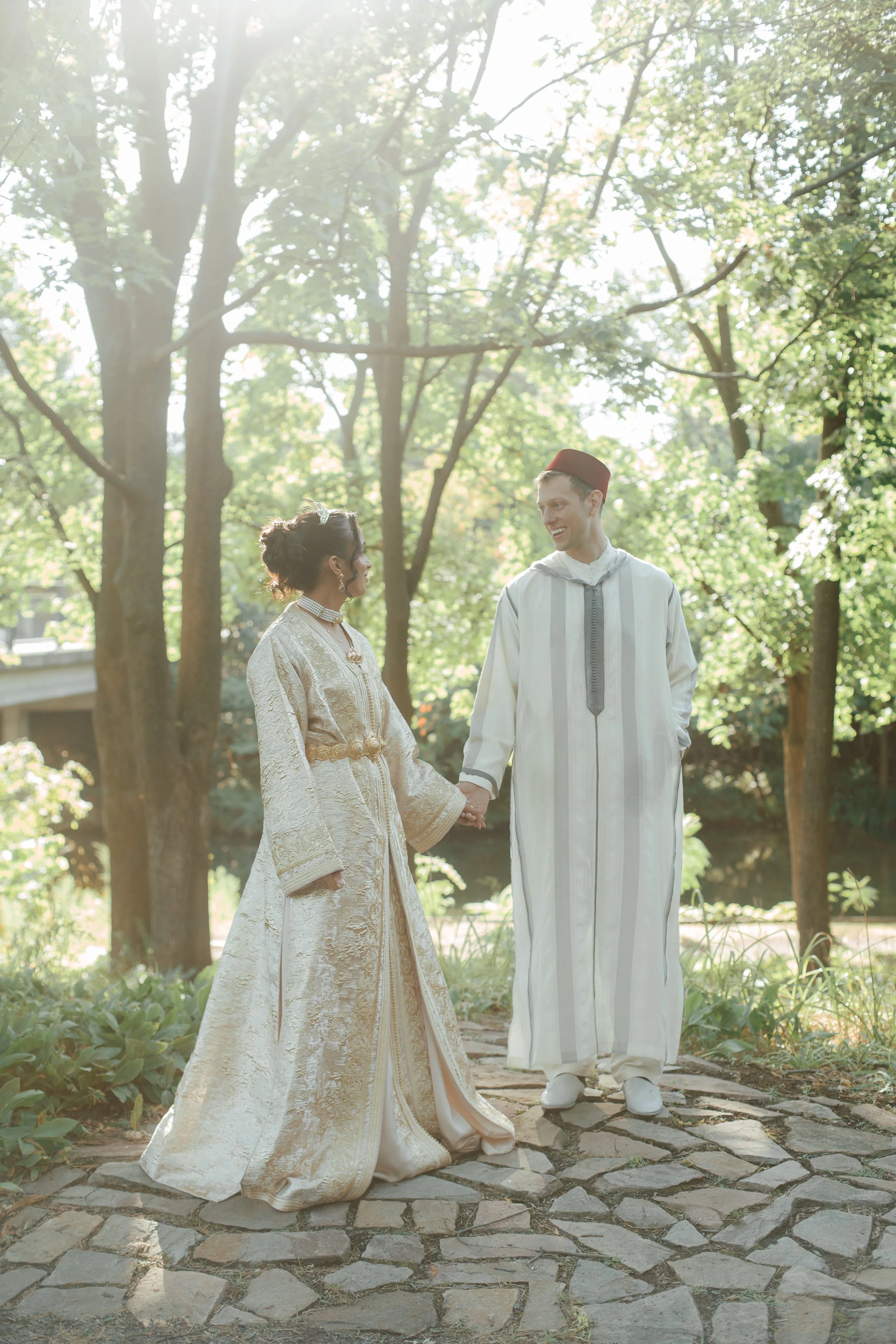
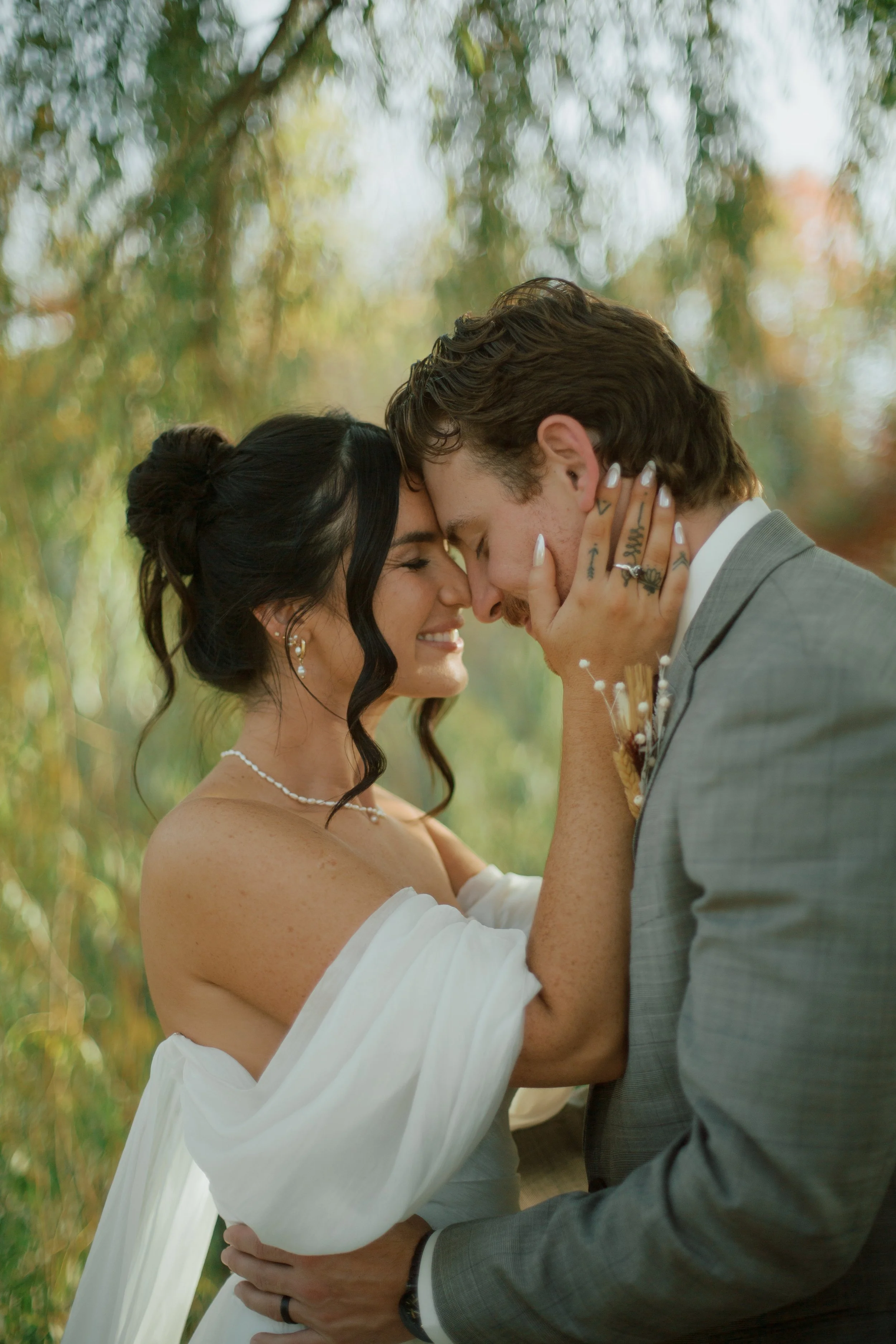
Couple portraits comfortably last for an hour. If you’re not keen on leaving your guests for that long, a shorter time can be budgeted, but the shorter the time, the less varied and comfortable the portraits may look. And if you’re living for the couple portraits, it’s one of the most exciting times of the day for you and you want to make sure they’re as pretty as possible, anywhere up until 2 to 3 hours of portraits can happen! I personally don’t recommend more than an hour and 30 minutes for the portraits just for the sake of the guests, but they can be left for longer if in good company with quality drinks and food!
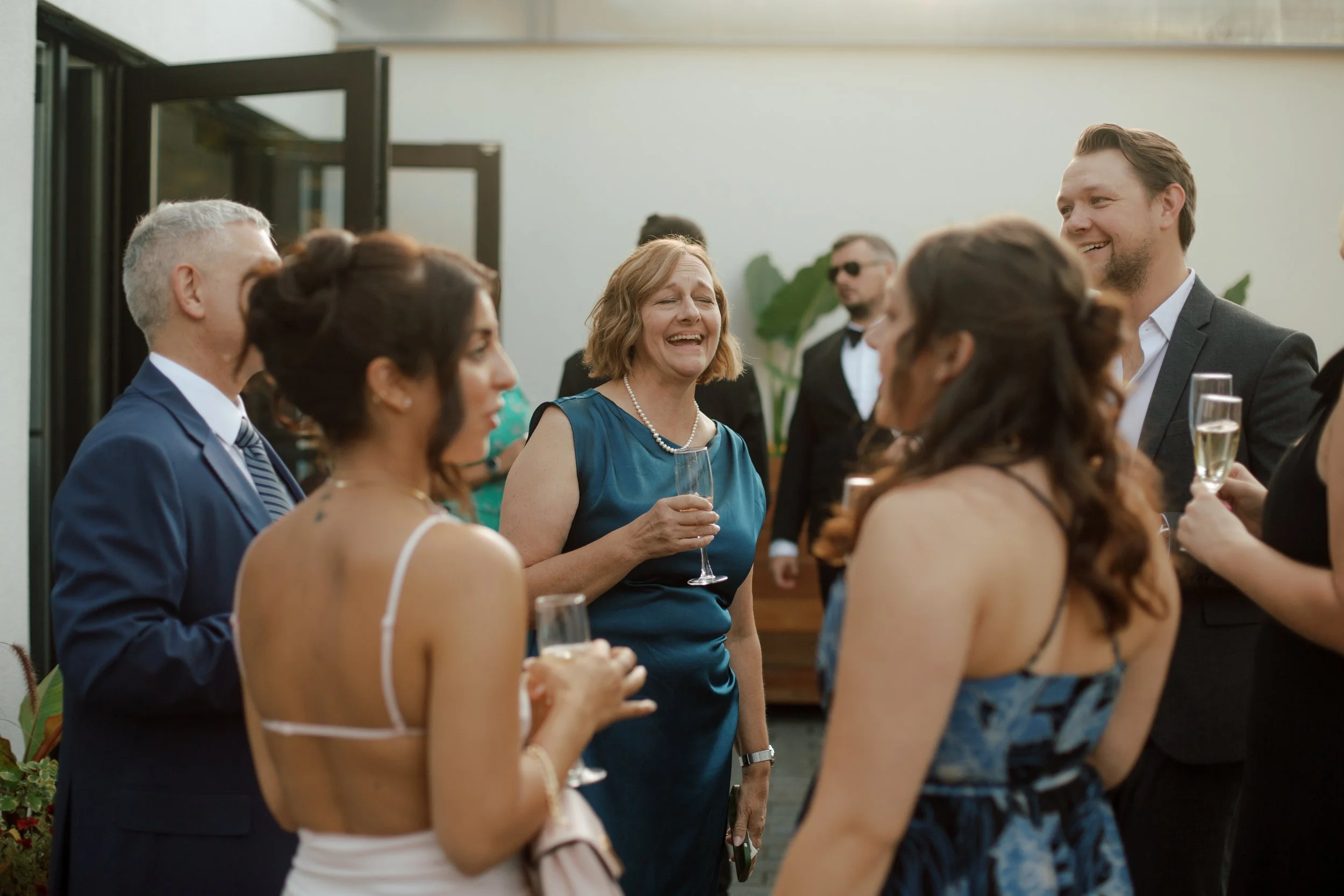
Cocktail hour can, as its name suggests, last an hour, or be extended longer if you want to budget more time for couple portraits.
Reception, Speeches and Dances
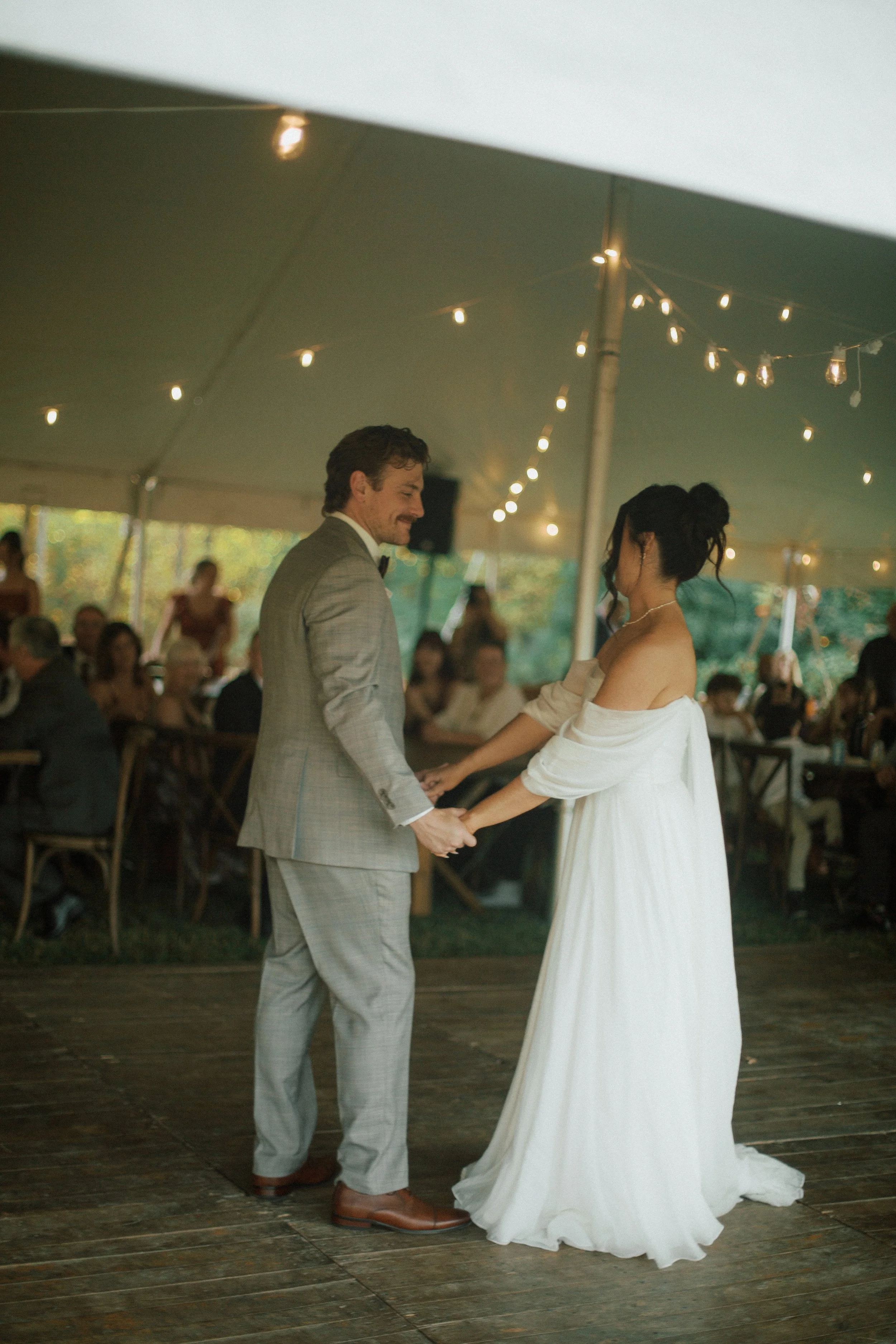
The reception often contains these things: grand entrance, first dance, parent dances, speeches, dinner, cake cutting, open dancing.
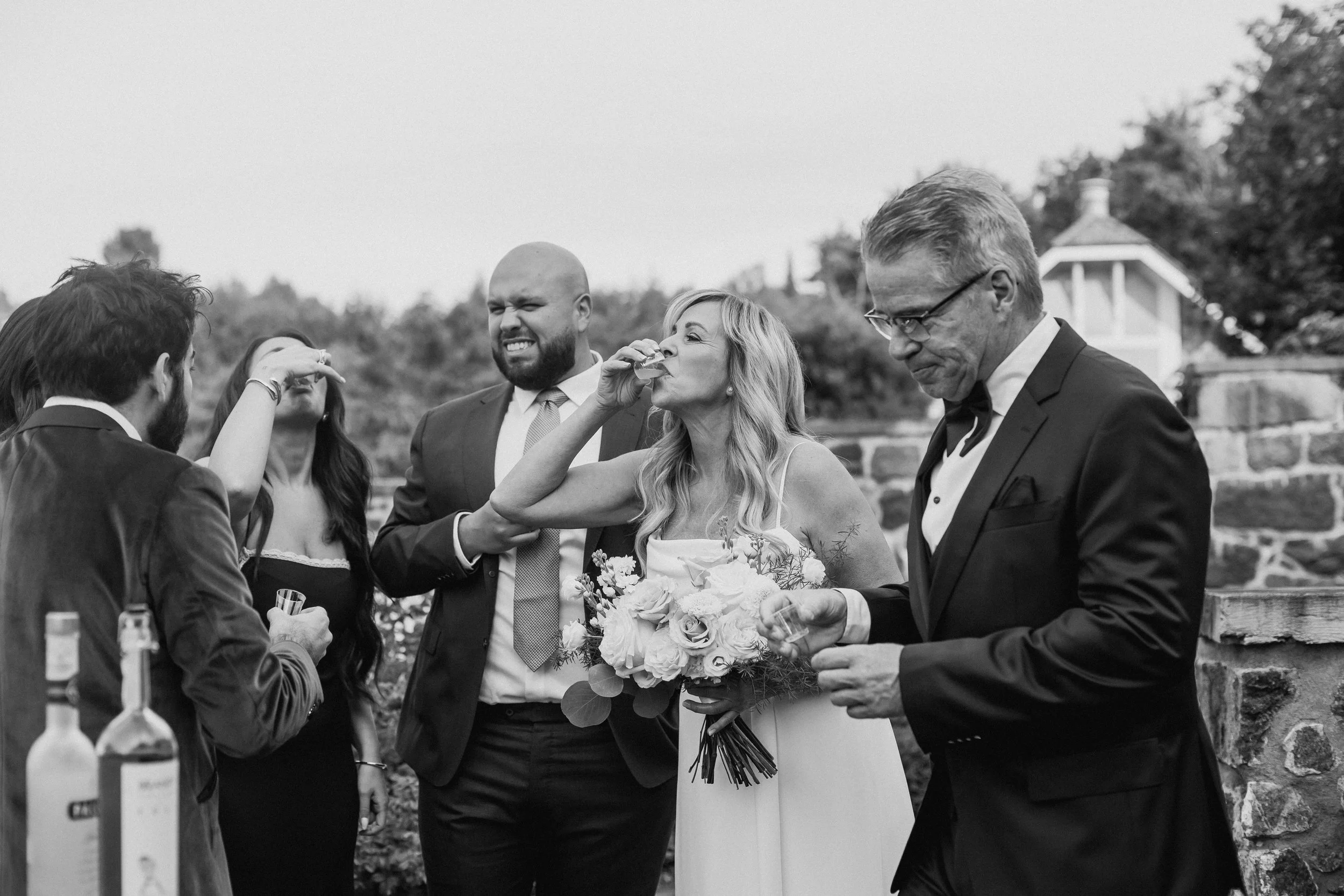
The entrances are a fun moment! The first dance is emotional and romantic. Parent dances don’t need to happen, but are often non-negotiable for the parents involved! Speeches can be hilarious and moving. Cake cutting is a very editorial and symbolic moment, plus it leads to eating cake. Finally, the dancing is what it’s all about — having a good time with your closest people. The first hour of open dancing produces the best photos — energy is high, people are loose, the room looks full. If your photographer is scheduled to leave at a specific time, make sure the dancing starts before that window closes.
Dinner and speeches do not produce the most special photos, but it’s tough to get around those hours of coverage if you want your photographer there for the other moments. You’ll receive a lot of posed portraits or candid photos (whichever is more meaningful to you) of your guests from this time, and also have photos of cake and dancing!
A Sample 10-Hour Timeline
This is a template. Every wedding is different and your timeline should be built around your unique day!
11:00am — Getting ready photos
12:00pm — First look
12:15pm — Couple portraits
1:30pm — Guests arrive
2:00pm — Ceremony
2:45pm — Family portraits
3:15pm — Cocktail hour
4:30pm — Grand entrance and reception begins
5:00pm — First dance, speeches
6:00pm — Dinner
8:00pm — Cake cutting
9:00pm — Open dancing, photo coverage ends
The Most Important Thing
Build your timeline before you finalize your vendor contracts. A photographer who knows your timeline from the beginning can help you protect the moments that matter most before the day is locked in.
If you're planning a wedding in Montreal or Ottawa and want help thinking through your timeline, I’d love to hear about your day.