How to Feel Comfortable in Front of the Camera on Your Wedding Day
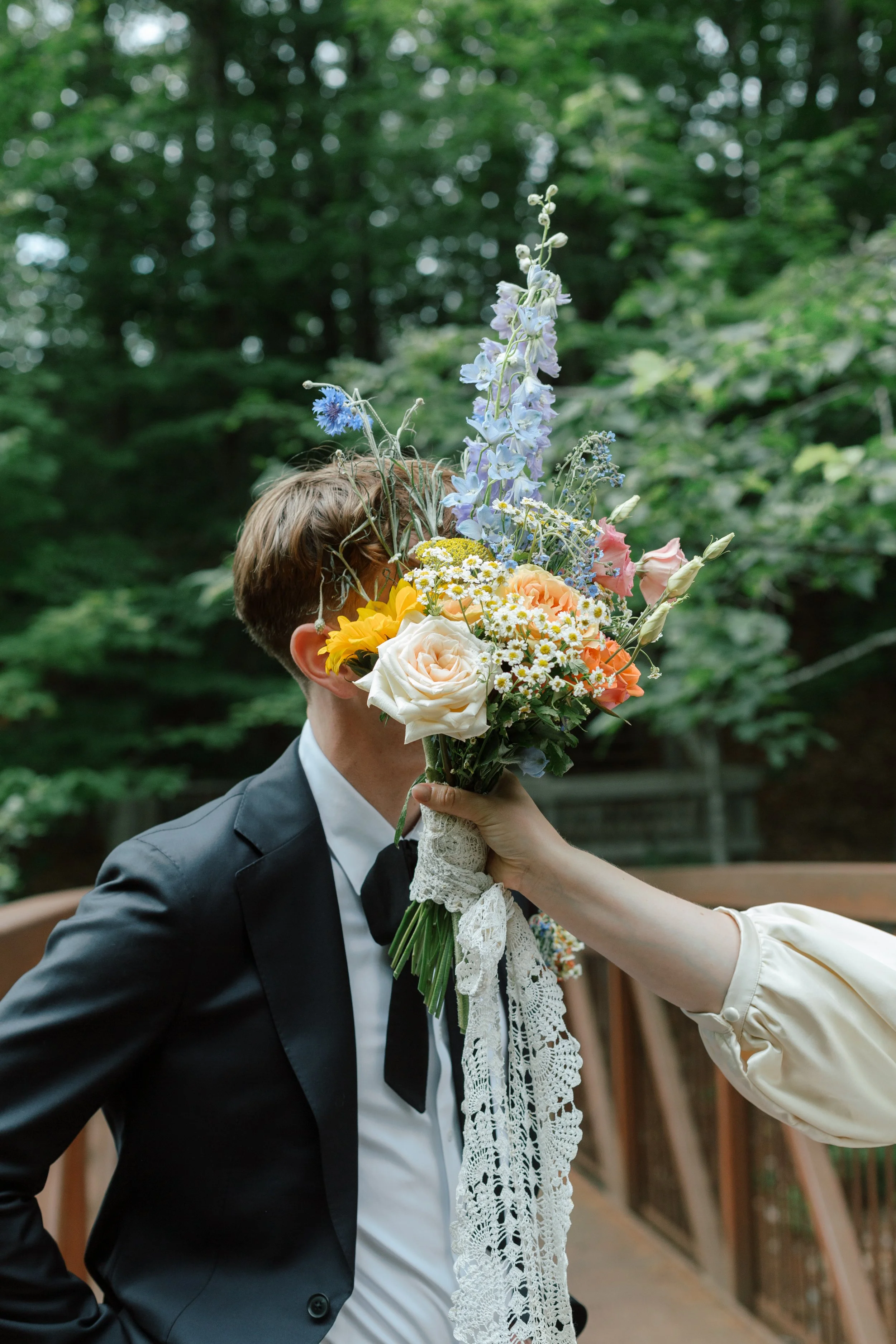
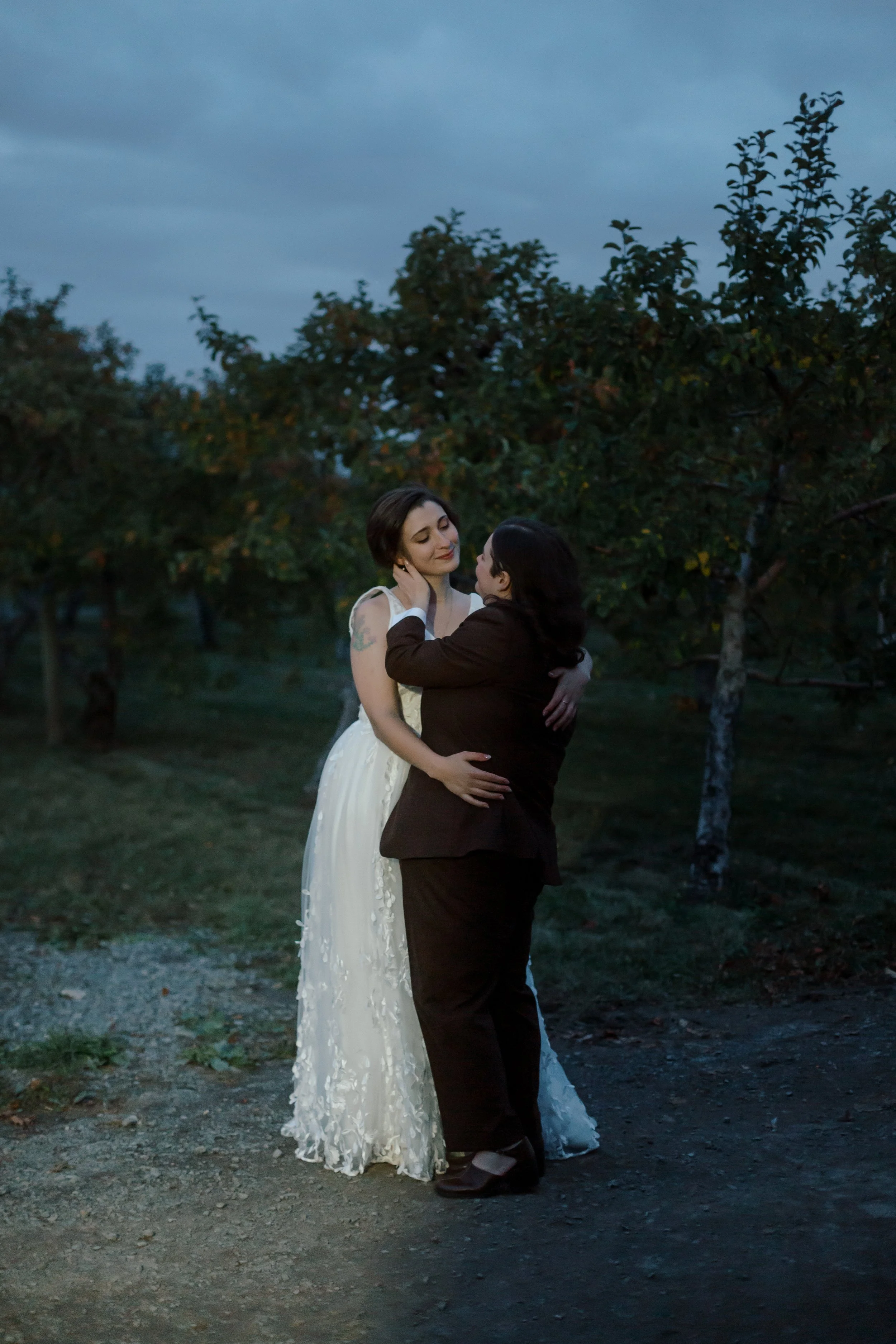
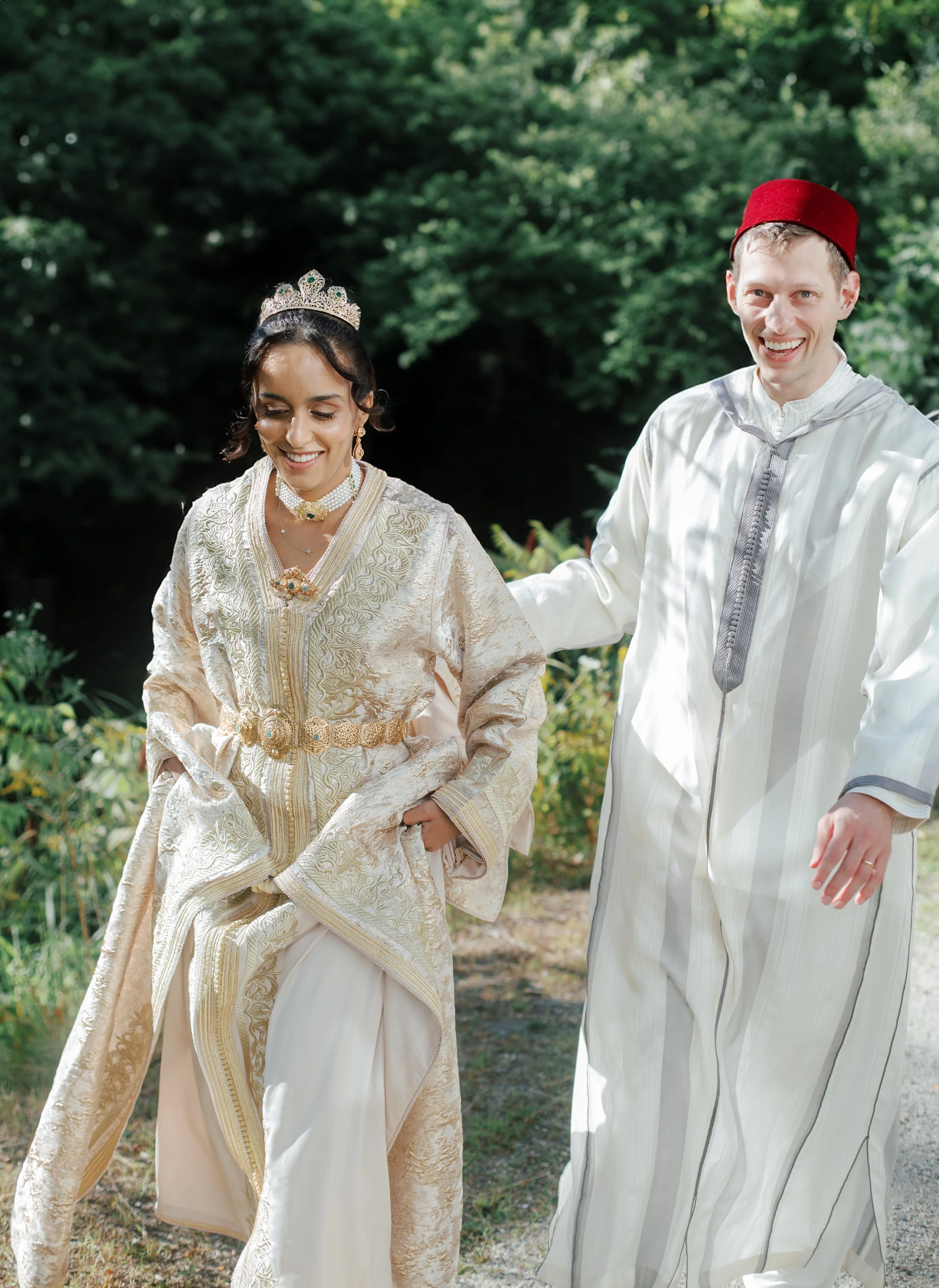
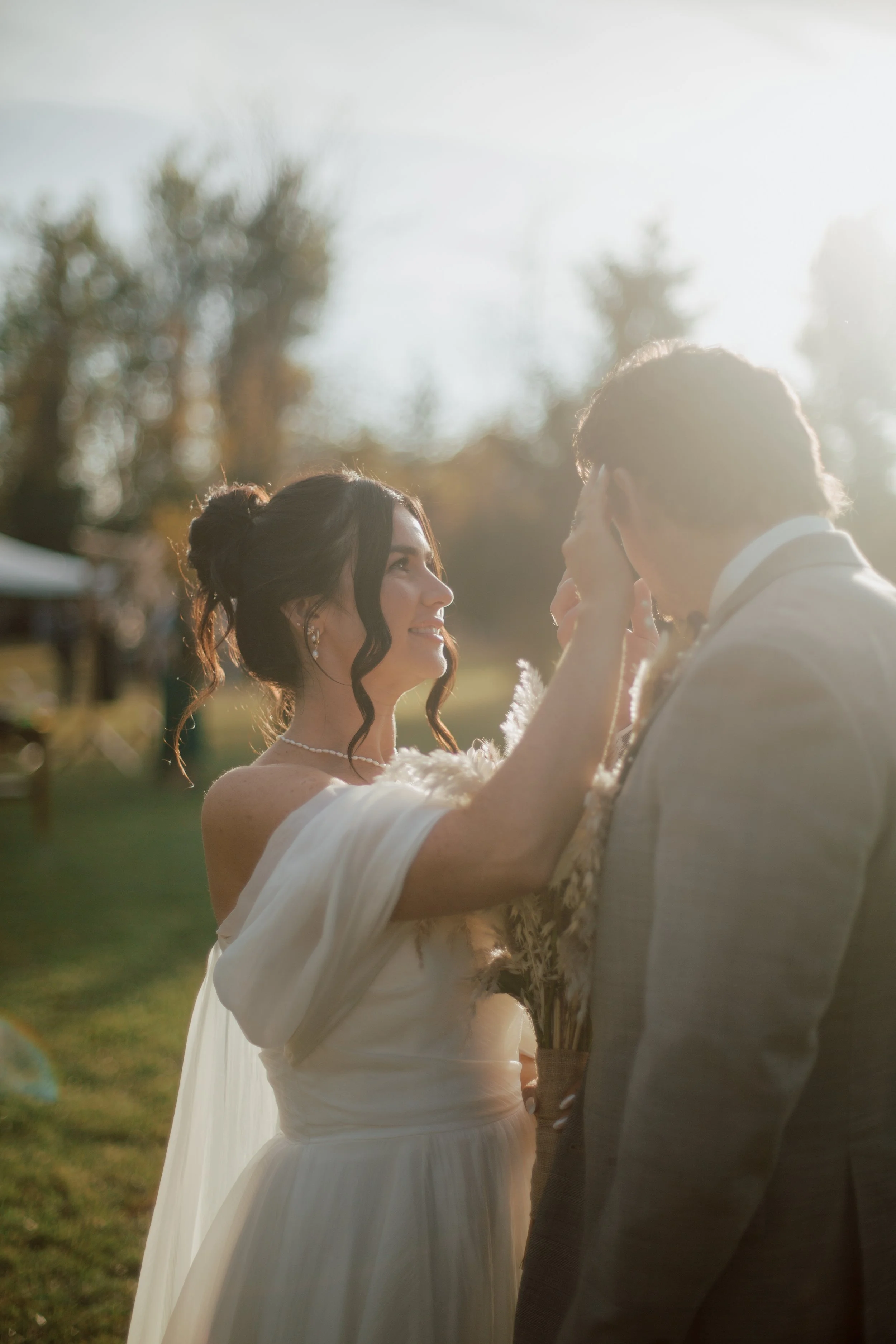
Being photographed is a vulnerable thing. Most people don't do it often, and feel a little self-conscious when they do! Adding a wedding day to the equation — with all its emotion, all its eyes on you, all its significance — and it's completely understandable that being in front of a camera feels like one more thing to manage.
The good news is that feeling comfortable in front of the camera on your wedding day is something you can prepare for gong in. It doesn't require being naturally photogenic or having professional experience.
The recommendations of a professional wedding photographer are below!
Do an Engagement Session First
This is one of the most effective things you can do, and it's important to understand why it works if an engagement session wasn’t a big part of your plan, but you do feel nervous in front of cameras!
An engagement session is the process of learning with your photographer what it feels like to be directed, to relax into the camera, and to move naturally in front of it. The nervousness you feel at the beginning of an engagement session is the same nervousness you'd feel at the beginning of your wedding day portraits — except at the engagement session, it doesn't matter if the first twenty minutes are awkward. There's no ceremony to get back to, no guests waiting, no timeline pressure. You get to be nervous, work through it, and arrive at the other side.
Something rarely said: a secondary reason to do this is you can tell what you love and what you don’t like when you get the engagement gallery, and lean into the things that you think worked on the wedding day!
By the time your wedding day comes, you've already been through the arc. You know what it feels like when the direction gets looser and the real moments start appearing. You trust the process and you trust your photographer.
Couples who do an engagement session before their wedding consistently arrive at their wedding day portraits with a completely different energy from couples who haven't. The difference is visible!
Make Sure Your Photographer Directs
This is something couples don't always think to ask about when they're choosing a photographer, and it does matter.
No matter how they describe themselves — documentary, editorial, timeless, candid, cinematic, moody — some photographers guide their subjects in front of the lens during portraits, and some take a more passive role, taking a completely observant approach to their work. During wedding coverage, that might be a preferred method during ceremony moments or reception drama, but when it’s just you and the camera, it might be hard to know what to do!
A photographer with a method of telling you where to stand, how to position yourself, what to do with your hands, where to look, how to move, produces great portraits that can still look candid.
When you're standing in front of a camera on your wedding day and you have no idea what to do with yourself, direction is the thing that releases the tension. Not vague instruction — not "just be natural" — but concrete, clear, specific direction. Put your forehead against his. Walk toward me slowly. Hold your bouquet lower. Turn your face toward the light. When you have something specific to do, your brain stops focusing on how you look and starts focusing on the task. And in that shift, the self-consciousness disappears.
You might want to ask your photographer directly how they handle portrait sessions, and check out their posed work.
On the Day Itself — Focus on Your Partner
Everything else is secondary to this one!
The couples who look most natural in their wedding photographs are almost always the ones who stopped thinking about the camera and started thinking about each other. Not performing for the lens, not managing their expression, not wondering how they look — just present with the person they're marrying. That presence is visible in every frame, and it's beautiful.
The wedding day has a way of making this easier than it sounds. By the time you're standing at the altar, or walking into the reception, or sitting across from your partner at dinner, the emotion of the day tends to take over and the camera becomes the last thing on your mind. Unless your photographer asks, it’s usually best not to look directly at the camera, even when you know it’s there!
The portrait session is the one moment that requires a little more deliberate effort because it's the one part of the day that's specifically about being photographed. The best approach is to treat it as time with your partner rather than time in front of a camera. You're not there to be photographed. You're there to be together, in a beautiful place, while someone with a camera happens to be nearby. Your photographer will take care of the rest.
The day goes fast. The photographs are what stays. Being present, trusting your photographer, trusting the process, and mostly just trusting each other is the whole thing.